0%

Choosing the best Heavy Duty Inclinometer in 2026 requires more than comparing accuracy figures. Field conditions decide whether a sensor performs reliably. A device mounted beside a vibrating conveyor faces different demands from one installed inside a bridge pier. Temperature shifts, shock, cable length, electromagnetic noise, and moisture can quietly distort measurements. The failure may appear as a small angle change, yet that change can trigger unnecessary inspections or hide genuine movement.

Industry data supports this growing focus on dependable sensing. Grand View Research’s 2024 Industrial Sensors Market report identifies automation, infrastructure monitoring, and predictive maintenance as major demand drivers. MarketsandMarkets also reports continued expansion in industrial sensor adoption through 2029, driven by connected monitoring systems. These forecasts are broad, not inclinometer-specific. That limitation matters. Buyers should not treat general sensor growth as proof that every new model is suitable.

Engineering practice needs stronger evidence. ASTM D6230/D6230M provides guidance for monitoring ground movement with automated inclinometers, while ISO 17025 accreditation helps verify laboratory testing competence. A serious comparison should examine repeatability, measurement range, drift, ingress protection, shock resistance, calibration records, and software stability. It should also consider installation time. A sensor that saves hours on a steel frame may be unsuitable for a buried retaining wall.

No single model wins every site. That is the uncomfortable truth. This guide compares leading options using technical specifications, documented testing, application experience, and practical ownership concerns. Some conclusions may change as manufacturers publish better data. Reliable selection begins with evidence, not impressive packaging.
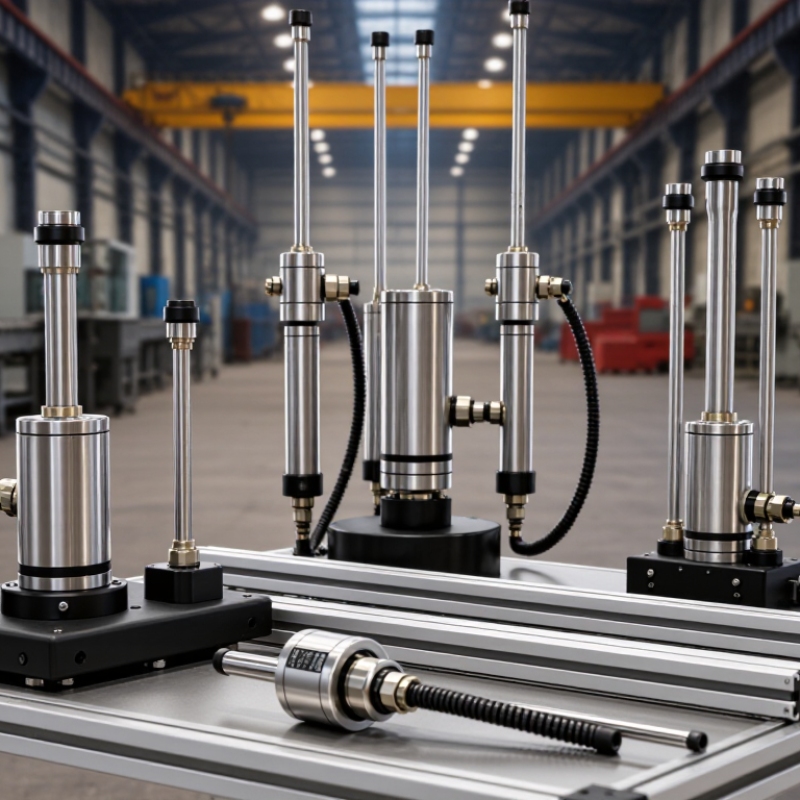
What Is the Best Heavy Duty Inclinometer in 2026?

What Is a Heavy-Duty Inclinometer and How Does It Work?

A heavy-duty inclinometer measures an object’s angle against gravity. It measures tilt. Unlike a basic level, it is built for vibration, dust, moisture, and repeated mechanical stress. Its housing is usually sealed, while internal sensors detect changes along one or two axes.

Inside, a MEMS accelerometer senses gravity’s direction. When a machine frame tilts, the gravity vector shifts across the sensor. The inclinometer converts that shift into an angle, often shown in degrees or percentage slope. Some models provide digital outputs for control systems. Others use analog signals for monitoring equipment in real time.

In field checks, mounting matters as much as sensor quality. A slightly uneven bracket can create a false reading. Clean the contact surface, tighten fasteners evenly, and compare the result with a calibrated reference. Temperature can also affect accuracy, especially during long outdoor measurements. I have found that quick installation often causes avoidable errors. That is worth reconsidering.

Tips: Choose a measuring range that fits the application without being excessive. Check accuracy, repeatability, response time, protection rating, and operating temperature. For cranes, earthmoving equipment, platforms, or industrial frames, confirm that the sensor tolerates shock and continuous vibration. Record the installation angle before operation. Recheck it after heavy maintenance. Calibration records should be easy to trace.

Which Specifications Define the Best Heavy-Duty Inclinometer?

What Is the Best Heavy Duty Inclinometer in 2026?

The best heavy-duty inclinometer is defined by measurable specifications, not rugged-looking housing. Accuracy should remain stable across the full measuring range. A narrow error band matters.

A 2024 MarketsandMarkets industrial sensors report projects strong growth through 2029, driven by automation and infrastructure monitoring. That growth raises the standard for dependable field measurement. For demanding sites, look for accuracy near ±0.1°, repeatability below 0.05°, and resolution of 0.01° or better. A wide range, such as ±60° or ±90°, helps with uneven structures, but it can reduce useful precision. Bigger is not always better.

Mechanical endurance also deserves close inspection. Choose an enclosure rated at least IP67, with verified resistance to dust, temporary water immersion, shock, and continuous vibration. Operating temperatures from approximately -40°C to 85°C support exposed installations. CAN bus, RS-485, or dual-output interfaces can simplify integration with control systems. However, communication speed means little if the sensor drifts after temperature changes.

IEC 61298 testing principles provide a useful framework for evaluating performance under controlled conditions. Calibration certificates should identify traceability, test temperature, and uncertainty. Field engineers should also check zero stability after installation. This is often overlooked. In my experience, a sensor can meet its brochure accuracy and still disappoint when mounting stress, cable movement, or nearby machinery enters the measurement chain. A short field trial remains wise.

How Do Leading Heavy-Duty Inclinometer Types Compare in 2026?

What Is the Best Heavy Duty Inclinometer in 2026?

Heavy-duty inclinometer types differ most in sensing method, response speed, and field durability. MEMS inclinometers are compact and react quickly to changing angles. They suit machinery, platforms, and structural monitoring where space is limited. However, vibration can disturb readings if filtering is weak. Their installation still matters more than many buyers expect.

Electrolytic inclinometers usually provide stable measurements over long periods. They perform well in structural monitoring, especially when temperature compensation is carefully designed. Their response can feel slower during sudden movement. Servo or pendulum systems offer strong accuracy and repeatability, but they often cost more and need disciplined maintenance. They are powerful tools. Yet, complexity creates more inspection points.

For harsh sites, compare the enclosure rating, shock resistance, temperature range, cable protection, and calibration traceability. A sensor exposed to dust, rain, or hydraulic vibration needs more than impressive accuracy claims. Check whether the stated accuracy includes temperature drift and mounting errors. In practical testing, a unit may perform perfectly on a bench but wander after poor alignment. That is easy to overlook. I would also verify the output protocol and alarm response before installation. A small delay can matter near moving equipment. No type wins every application; the best choice depends on movement speed, environmental stress, required precision, and how carefully technicians can maintain the system.

Where Are Heavy-Duty Inclinometers Used in Industrial Applications?

What Is the Best Heavy Duty Inclinometer in 2026?

Heavy-duty inclinometers support safer decisions in demanding industrial environments. They measure tilt, rotation, and structural movement under vibration, moisture, and temperature changes. Construction teams install them inside retaining walls, dams, tunnels, and embankments. The Federal Highway Administration’s Geotechnical Engineering Circular No. 7 identifies inclinometer monitoring as a practical method for tracking subsurface movement. Engineers can detect gradual displacement before visible cracking appears.

Mining operations use inclinometers around tailings facilities, haul roads, open-pit walls, and underground excavations. The Global Industry Standard on Tailings Management requires ongoing monitoring and risk-based controls. Inclinometers add useful evidence beside survey prisms, radar, and piezometers. They are also used on cranes, lifting platforms, rail structures, wind turbines, and oil-field equipment. The Global Wind Energy Council reported 117 gigawatts of new wind capacity in 2023. More rotating structures create more demand for dependable tilt monitoring.

The best unit is not always the most expensive. That assumption needs review. A suitable model should match the measurement range, installation depth, sampling rate, enclosure rating, and communication system. Remote sites may need low-power data transmission and local storage. Harsh sites also require stable readings after thermal changes. Small drift matters. Field calibration, protected cabling, and sensible alarm limits often influence results more than advertised precision. A 2024 report from the International Society for Soil Mechanics and Geotechnical Engineering stresses that monitoring quality depends on installation and interpretation, not sensors alone.

How Should You Choose a Heavy-Duty Inclinometer for Your Needs?

What Is the Best Heavy Duty Inclinometer in 2026?

Choosing a heavy-duty inclinometer starts with the working environment, not the product label. Measure the expected tilt range, vibration level, temperature changes, and available installation space. A narrow measurement range may improve resolution, but it can fail when structures move beyond normal limits. Check accuracy, repeatability, and long-term drift separately. They are not the same thing.

Look for a sealed housing with a suitable ingress rating when dust, rain, mud, or washdown is expected. Shock resistance matters on construction equipment and industrial platforms. Confirm whether the device supports analogue output, digital communication, or direct data logging. Cable quality also deserves attention. A strong sensor with weak wiring remains a weak monitoring system.

Calibration evidence should be clear and traceable. Ask for test conditions, calibration dates, and stated measurement uncertainty. Field installation can change results if the mounting surface is uneven. Use a verified reference angle during commissioning. Temperature compensation is valuable, but it may not remove every error. A higher price does not always mean better performance. I have seen accurate sensors produce poor readings after careless alignment. That detail is easy to miss. Choose the inclinometer that matches your actual load, environment, maintenance plan, and required response time. erotikk

FAQS

What is a heavy-duty inclinometer?

It measures an object’s tilt against gravity. It handles vibration, dust, moisture, and repeated mechanical stress. Many units use sealed housings and one or two measuring axes.

How does a heavy-duty inclinometer work?

An internal MEMS accelerometer senses gravity’s direction. When a frame tilts, the gravity vector shifts across the sensor. The device converts that shift into degrees or percentage slope.

Where are heavy-duty inclinometers commonly used?

They support cranes, earthmoving equipment, platforms, and industrial frames. They can monitor uneven structures and moving machinery. Continuous vibration matters.

Which accuracy specifications should buyers check?

Look for accuracy near ±0.1°, repeatability below 0.05°, and resolution of 0.01° or better. Check these values across the full measuring range. Brochure figures may not match field results.

Is a wider measuring range always better?

No. A range of ±60° or ±90° handles larger tilts. However, excessive range can reduce useful precision. Bigger is not always better.

What protection and temperature ratings are useful?

An IP67 enclosure helps resist dust and temporary water immersion. A temperature range near -40°C to 85°C supports exposed installations. Shock and continuous vibration resistance also need verification.

Which communication outputs can an inclinometer provide?

Common options include CAN bus, RS-485, and analog signals. Digital outputs can connect with control systems. Communication speed matters less when temperature causes sensor drift.

How should the inclinometer be installed and checked?

Clean the mounting surface and tighten fasteners evenly. Record the installation angle before operation. Compare readings with a calibrated reference, then recheck after heavy maintenance.

Why can installation create inaccurate readings?

An uneven bracket can produce a false angle. Cable movement, mounting stress, and nearby machinery may disturb measurements. Quick installation often causes avoidable errors. I still sometimes underestimate this.

What records should accompany a reliable inclinometer?

Keep calibration certificates with traceability, test temperature, and measurement uncertainty. Record zero stability after installation. A short field trial remains wise, even when specifications look excellent.

Conclusion

A Heavy Duty Inclinometer is an industrial sensing device designed to measure tilt, slope, and angular movement in demanding environments. It typically uses precision electronic sensing elements to detect changes in orientation and convert them into reliable measurement data. The best models in 2026 are defined by accuracy, measurement range, resolution, response time, environmental protection, shock and vibration resistance, temperature stability, and long-term durability. Clear output options and easy installation are also important for efficient system integration.

Different inclinometer types may suit different operating conditions, including single-axis and dual-axis designs, analog or digital outputs, and models optimized for static monitoring or dynamic movement. These devices are widely used in construction machinery, cranes, renewable energy equipment, industrial automation, structural monitoring, transportation systems, and other heavy-duty applications. To choose the right unit, users should evaluate the required axes, angle range, accuracy, mounting method, operating environment, communication interface, maintenance needs, and total cost. The ideal choice should provide dependable performance, stable readings, and sufficient protection for the specific application.

Oliver

Oliver

Oliver is a professional marketing specialist with a strong understanding of the company’s products, services, and customer needs. With a practical background in market research, content strategy, and digital communication, he is dedicated to helping audiences better understand how thoughtful......