Blog

How to Choose an Automotive Ethernet Gateway?

How to Choose an Automotive Ethernet Gateway?

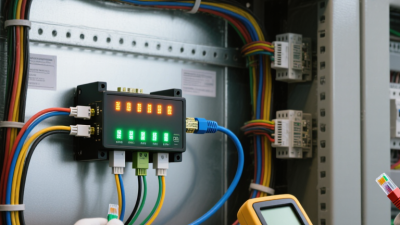
Choosing an Automotive Ethernet Gateway is a network decision, not merely a purchasing task. It affects data flow, safety, diagnostics, and future vehicle upgrades. A gateway may sit behind the dashboard, yet it connects cameras, sensors, domain controllers, and legacy CAN or LIN networks. Dr. Zeljko Popovic, a recognized automotive Ethernet specialist, has expressed the central design principle clearly: “Automotive Ethernet is an enabler, not an end in itself.” That reminder matters. Higher bandwidth alone does not guarantee a better vehicle architecture. Engineers must examine port speed, protocol support, time-sensitive networking, cybersecurity features, latency, thermal behavior, and software update options. Small details matter. A poorly matched gateway can create delays during camera streaming or complicate fault isolation in a service bay. This guide explains how to compare gateway options with practical engineering discipline. It considers real traffic conditions, not impressive laboratory numbers. It also examines electromagnetic compatibility, redundancy, diagnostics, and integration with existing electronic control units. Experience shows that compatibility questions often appear late. That is a costly mistake. A gateway should support today’s vehicle platform while leaving room for zonal architectures and higher data volumes. There is no universal choice. A premium gateway may be excessive for a simple body network. A low-cost device may become restrictive after one software revision. The uncomfortable truth is that specifications can look complete while important assumptions remain untested. Careful selection requires evidence, supplier transparency, and realistic validation on the target vehicle.
Read more »
Oliver By:Oliver - November 1, 2026
7 Best Industrial Laser Receivers for Global Buyers

7 Best Industrial Laser Receivers for Global Buyers

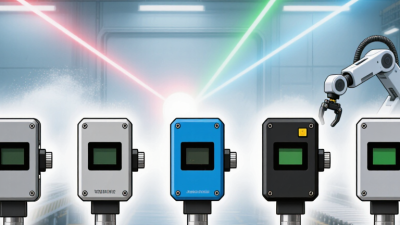
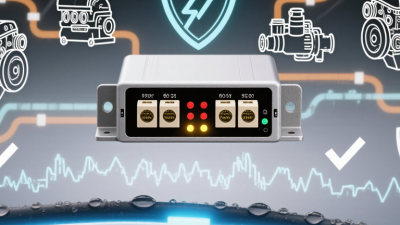
Selecting the right Industrial Laser Receiver is more difficult than comparing detection range or purchase price. Global buyers must examine wavelength compatibility, response speed, signal stability, housing quality, and integration options. A receiver that performs well in a clean laboratory may struggle near coolant mist, vibration, dust, or reflective metal surfaces. Nobel laureate Charles H. Townes once described the laser as “a solution looking for a problem.” That observation still matters. A receiver becomes valuable only when it solves a specific measurement problem reliably. This guide reviews seven industrial laser receivers for international purchasing teams, system integrators, and factory engineers. It considers practical details, including connector types, calibration needs, operating temperature, alignment tolerance, and after-sales support. Real conditions are rarely perfect. A datasheet cannot show every false trigger, delayed shipment, or difficult software update. Some products may appear powerful but require costly accessories. Others may offer modest specifications while delivering steadier results on production lines. That difference deserves attention. Small details matter. The comparison also recognizes regional concerns, such as voltage standards, language support, replacement availability, and supplier documentation. Buyers should confirm technical claims independently before ordering large quantities. This is especially important when receivers connect with automated inspection, positioning, or control equipment. The best Industrial Laser Receiver is not always the most advanced model. It is the one that matches the application, environment, budget, and maintenance capability with the fewest unpleasant surprises.
Read more »
Oliver By:Oliver - October 27, 2026
7 Tips for Choosing an Electric Motor Drive Controller

7 Tips for Choosing an Electric Motor Drive Controller

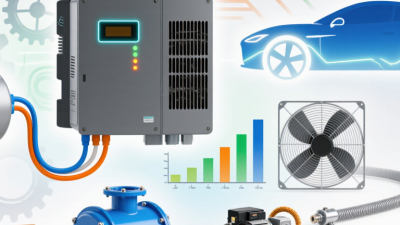
Selecting the right Electric Motor Drive Controller has become a practical energy and reliability decision. Motors power pumps, conveyors, compressors, fans, and countless automated machines. The International Energy Agency has reported that electric motor systems consume around 46% of global electricity. That figure makes controller selection more than a purchasing detail. It affects operating costs, carbon performance, maintenance schedules, and production stability. Recent market pressure is even clearer in transportation. The IEA’s Global EV Outlook 2024 reported more than 17 million electric car sales worldwide in 2024. This growth increases demand for efficient inverters, precise speed control, thermal protection, and dependable communication. Industrial facilities face similar requirements, although their priorities may differ. A packaging line may need rapid torque response, while a water pump may value smooth ramping and low standby losses. The U.S. Department of Energy also identifies motor systems as major industrial electricity users, reinforcing the value of efficient drive control. The best choice rarely comes from comparing rated voltage alone. Engineers should examine load profiles, braking cycles, ambient temperature, enclosure ratings, harmonics, feedback devices, and network compatibility. Small details matter. A dusty cabinet, a 30-meter motor cable, or repeated starts can expose a weak design quickly. Seven useful tips can guide this evaluation, from matching control methods to checking lifecycle support. Still, no checklist removes every uncertainty. Real machines behave differently from spreadsheets. Testing under actual load remains essential, and even experienced teams sometimes underestimate heat, noise, or commissioning time.
Read more »
Ethan By:Ethan - October 22, 2026
China Top Engine Temperature Monitoring Unit Manufacturers?

China Top Engine Temperature Monitoring Unit Manufacturers?

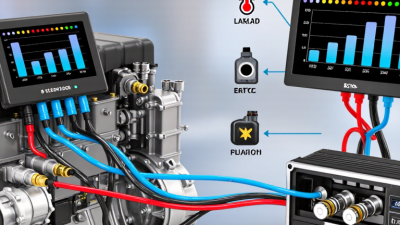
Selecting reliable China top engine temperature monitoring unit manufacturers requires more than comparing catalog prices. Engine Temperature Monitoring Unit performance can influence engine protection, maintenance planning, and operational safety. This guide introduces leading Chinese suppliers through practical evaluation criteria, including sensor accuracy, response time, display stability, wiring quality, and environmental resistance. Real-world use matters. A monitoring unit installed near a diesel engine may face vibration, oil mist, heat, and repeated temperature changes. Strong manufacturers usually provide clear technical datasheets, calibration information, installation guidance, and responsive after-sales support. Buyers should also review enclosure ratings, operating temperature ranges, alarm settings, output signals, and compatibility with existing engine control systems. Factory audits, sample testing, and reference checks can reveal details that online listings often miss. Not every supplier performs equally. This overview focuses on manufacturers with relevant production experience, documented quality procedures, and export capability. It also considers customization, such as probe length, alarm thresholds, communication interfaces, and display layout. However, public information can be incomplete, and supplier rankings may change as product lines and certifications develop. Independent verification remains essential before signing a purchase agreement. Request recent test records, confirm component origins, and evaluate a production sample under realistic conditions. A low price may look attractive, but unstable readings can create higher maintenance costs later. The most dependable choice combines measurable performance, transparent communication, and consistent manufacturing control.
Read more »

Oliver By:Oliver - October 17, 2026
What Is the Best Heavy Duty Inclinometer in 2026?

What Is the Best Heavy Duty Inclinometer in 2026?

Choosing the best Heavy Duty Inclinometer in 2026 requires more than comparing accuracy figures. Field conditions decide whether a sensor performs reliably. A device mounted beside a vibrating conveyor faces different demands from one installed inside a bridge pier. Temperature shifts, shock, cable length, electromagnetic noise, and moisture can quietly distort measurements. The failure may appear as a small angle change, yet that change can trigger unnecessary inspections or hide genuine movement. Industry data supports this growing focus on dependable sensing. Grand View Research’s 2024 Industrial Sensors Market report identifies automation, infrastructure monitoring, and predictive maintenance as major demand drivers. MarketsandMarkets also reports continued expansion in industrial sensor adoption through 2029, driven by connected monitoring systems. These forecasts are broad, not inclinometer-specific. That limitation matters. Buyers should not treat general sensor growth as proof that every new model is suitable. Engineering practice needs stronger evidence. ASTM D6230/D6230M provides guidance for monitoring ground movement with automated inclinometers, while ISO 17025 accreditation helps verify laboratory testing competence. A serious comparison should examine repeatability, measurement range, drift, ingress protection, shock resistance, calibration records, and software stability. It should also consider installation time. A sensor that saves hours on a steel frame may be unsuitable for a buried retaining wall. No single model wins every site. That is the uncomfortable truth. This guide compares leading options using technical specifications, documented testing, application experience, and practical ownership concerns. Some conclusions may change as manufacturers publish better data. Reliable selection begins with evidence, not impressive packaging.
Read more »
Oliver By:Oliver - October 12, 2026
10 Tips for Choosing an Industrial Battery Charger

10 Tips for Choosing an Industrial Battery Charger

Choosing an Industrial Battery Charger is a practical decision with long-term operational consequences. The wrong model can cause slow charging, excess heat, shortened battery life, or unexpected downtime. A suitable charger should match the battery chemistry, voltage, capacity, charging profile, and working environment. Small details matter. In industrial facilities, charging conditions rarely remain perfect. Dust, temperature changes, shift patterns, and limited ventilation can affect performance. Experienced maintenance teams usually review equipment manuals, manufacturer specifications, connector types, and protection features before purchasing. They also check whether the charger supports the battery’s required charging stages. Guessing gets expensive. This guide presents ten useful considerations for selecting a dependable charger. It focuses on practical evaluation rather than attractive advertising claims. Efficiency, charging speed, monitoring functions, safety controls, serviceability, and future expansion all deserve attention. A charger that works well in a clean warehouse may struggle beside a production line. I have seen buyers focus heavily on initial price, then overlook installation requirements and replacement costs. That approach seems reasonable at first, but it can create avoidable problems later. Reliable decisions come from comparing verified data with actual site conditions. Ask qualified suppliers for test information, compatibility details, warranty terms, and technical support arrangements. No single charger suits every operation. Careful judgment remains essential. Even a well-designed system may need adjustment after real-world use. These ten tips can help managers, engineers, and maintenance professionals choose equipment with greater confidence and fewer surprises.
Read more »
Caleb By:Caleb - October 7, 2026
How to Choose a Rugged DC-DC Converter in 2026?

How to Choose a Rugged DC-DC Converter in 2026?

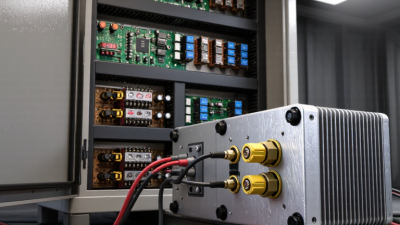
In 2026, selecting a Rugged DC-DC Converter requires more than comparing voltage ranges and marketing claims. Industrial vehicles, outdoor instruments, energy systems, and remote communications equipment may face vibration, moisture, dust, electrical surges, and wide temperature swings. One failed converter can shut down an entire control cabinet. The right choice must match the real operating environment, not only the laboratory specification. A practical evaluation starts with input voltage, output stability, efficiency, isolation, and continuous power demand. Engineers should also examine startup behavior, transient response, thermal derating, and protection against short circuits or reverse polarity. A unit rated for 100 watts may not deliver that output inside a sealed enclosure at high ambient temperature. Check the datasheet carefully. Then ask for test reports, qualification records, and clear information about component quality. Independent verification adds confidence, especially when suppliers make broad reliability claims. Mechanical details matter too. Look for secure mounting, sealed connectors, conformal coating, and resistance to shock and vibration. Confirm relevant environmental and electromagnetic compatibility requirements for the intended application. Field experience often reveals weaknesses that bench testing misses, such as loose terminals after months of vibration or unexpected heating near cable bundles. No checklist is perfect. A converter that looks ideal on paper may still fail after installation. That possibility deserves honest review. This guide explains how to compare rugged designs, interpret technical evidence, and avoid choosing by price alone. The goal is dependable power conversion under pressure, with enough engineering margin for conditions that were not perfectly predicted.
Read more »
Ethan By:Ethan - October 2, 2026
7 Tips for Choosing an Off Highway Machine Controller

7 Tips for Choosing an Off Highway Machine Controller

Choosing an Off-Highway Machine Controller is more than matching a part number to a machine. On a loader, excavator, or other worksite vehicle, the controller must fit the electrical system, connected components, and operating demands. Dust, vibration, moisture, and temperature swings can all affect long-term performance. Small details count. These seven tips will help you assess compatibility, control functions, communication protocols, environmental ratings, diagnostics, supplier support, and total ownership costs. Start with the machine’s documentation and confirm specifications with the equipment manufacturer or a qualified supplier. A familiar connector does not guarantee that a controller will communicate correctly or support the functions you need. Check how faults are reported, how updates are handled, and whether replacement units can be configured for your machine. Ask practical questions, too: Can technicians diagnose it on site? Are wiring diagrams and technical support available? There is no universal best choice. A controller suited to one fleet may not suit another, even when the machines look similar. I have seen how an overlooked interface requirement can turn a promising purchase into extra workshop time. It is an easy detail to miss. Use the guidance below to compare options against real operating conditions, not just a product sheet. Careful verification cannot remove every risk, but it can make the decision clearer and more dependable.
Read more »
Oliver By:Oliver - September 27, 2026
What Is a CANbus Protocol Gateway?

What Is a CANbus Protocol Gateway?

A CANbus Protocol Gateway connects CAN-based networks with systems that use different communication protocols, such as Ethernet, Modbus, or industrial fieldbus networks. It translates messages without losing the identifiers, timing, and control data that machines depend on. The term can feel abstract. Picture a factory cabinet with a compact gateway, blinking status LEDs, twisted-pair CAN wires, and an Ethernet cable leading to a control server. Inside, the device filters frames, converts data formats, and manages traffic between two very different network environments. It may also isolate electrical faults, support diagnostics, and reduce unnecessary messages reaching the controller. CAN expert Wilfried Voss describes CAN as a “multi-master broadcast serial bus.” That short description explains why gateway design requires careful planning. Several devices can communicate, but message priority, bus load, and response timing still matter. A poorly configured CANbus Protocol Gateway may create delays, duplicate data, or confusing diagnostic results. This article examines what a CANbus Protocol Gateway does, how its translation process works, and where it fits in modern automation systems. It also considers practical issues, including baud-rate matching, protocol mapping, galvanic isolation, cybersecurity, and maintenance access. Standards provide structure, but implementation details can still cause trouble. Some explanations make gateways sound effortless. They are not. A reliable installation begins with real traffic measurements, clear signal definitions, and documented failure behavior. Even then, assumptions may need revision after commissioning. That imperfect stage matters because a gateway should be judged by stable operation, traceable data, and safe recovery when communication fails.
Read more »
Ethan By:Ethan - September 22, 2026
What Is a Hydraulic Valve Controller?

What Is a Hydraulic Valve Controller?

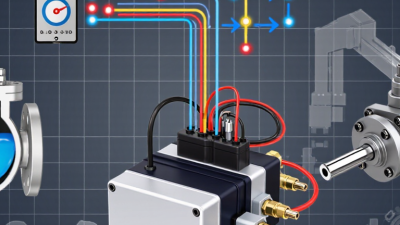
A Hydraulic Valve Controller is the control link between an operator, machine logic, and hydraulic movement. It interprets electrical or mechanical commands, then adjusts valve operation with measured precision. This process controls fluid direction, pressure, and flow. In practical service work, the result may be visible in a lifting arm, steering system, or production actuator. A technician may hear a faint solenoid click before the cylinder moves. That small sound can reveal timing, wiring, or pressure problems. Hydraulic systems respond quickly, but they do not always behave perfectly. Temperature, contamination, seal wear, and unstable loads can change performance. Therefore, a controller should never be judged by its label alone. Its response must match the valve, pump, actuator, and operating environment. This article explains what a Hydraulic Valve Controller does and why it matters. It examines common control methods, feedback signals, installation concerns, and maintenance practices. Readers will also see how proportional and on-off control differ in real applications. Reliable evaluation starts with the whole circuit. Check voltage stability, fluid cleanliness, pressure readings, connector condition, and command signals. A robust controller should provide repeatable movement without hiding abnormal system behavior. It should also support safe shutdowns and practical fault diagnosis. Specifications help, but field conditions often expose details they omit. That is the difficult part. No controller is universally ideal. Careful selection, documented testing, and qualified technical review create more trustworthy results.
Read more »
Oliver By:Oliver - September 22, 2026
What Is the Best SAE J1939 Signal Converter in 2026?

What Is the Best SAE J1939 Signal Converter in 2026?

Choosing the best SAE J1939 Signal Converter in 2026 requires more than comparing prices or connector types. Real performance depends on message handling, electrical stability, isolation, and installation conditions. A converter may appear reliable on a workbench, yet behave differently beside a diesel engine, hydraulic pump, or long CAN harness. This guide examines practical selection factors from an engineering and field-testing perspective. We consider J1939 PGN support, baud-rate compatibility, voltage tolerance, termination, diagnostics, and data conversion accuracy. Documentation matters. So does testing. Small details can decide success. A reliable unit should preserve important engine data without introducing noticeable delays or corrupted values. It should also provide clear configuration tools, durable terminals, and protection against vibration, moisture, and electrical noise. Independent verification remains valuable, especially when manufacturers describe compatibility broadly. “J1939 compatible” does not always explain every PGN, address claim, or proprietary message. There is no universal winner. Harsh mobile equipment may need galvanic isolation and sealed housing, while a laboratory gateway may prioritize flexible software and rapid configuration. Installation quality also affects results. Poor grounding or incorrect termination can make a capable converter look defective. Some conclusions may change after longer field trials. That is worth admitting. The strongest choice combines verified specifications, repeatable bench tests, practical experience, and dependable technical support. This article compares those elements to identify which converter offers the most convincing balance for modern vehicle and industrial applications.
Read more »
Ethan By:Ethan - September 22, 2026