0%

A Hydraulic Valve Controller is the control link between an operator, machine logic, and hydraulic movement. It interprets electrical or mechanical commands, then adjusts valve operation with measured precision. This process controls fluid direction, pressure, and flow. In practical service work, the result may be visible in a lifting arm, steering system, or production actuator. A technician may hear a faint solenoid click before the cylinder moves. That small sound can reveal timing, wiring, or pressure problems. Hydraulic systems respond quickly, but they do not always behave perfectly. Temperature, contamination, seal wear, and unstable loads can change performance. Therefore, a controller should never be judged by its label alone. Its response must match the valve, pump, actuator, and operating environment.

This article explains what a Hydraulic Valve Controller does and why it matters. It examines common control methods, feedback signals, installation concerns, and maintenance practices. Readers will also see how proportional and on-off control differ in real applications. Reliable evaluation starts with the whole circuit. Check voltage stability, fluid cleanliness, pressure readings, connector condition, and command signals. A robust controller should provide repeatable movement without hiding abnormal system behavior. It should also support safe shutdowns and practical fault diagnosis. Specifications help, but field conditions often expose details they omit. That is the difficult part. No controller is universally ideal. Careful selection, documented testing, and qualified technical review create more trustworthy results.
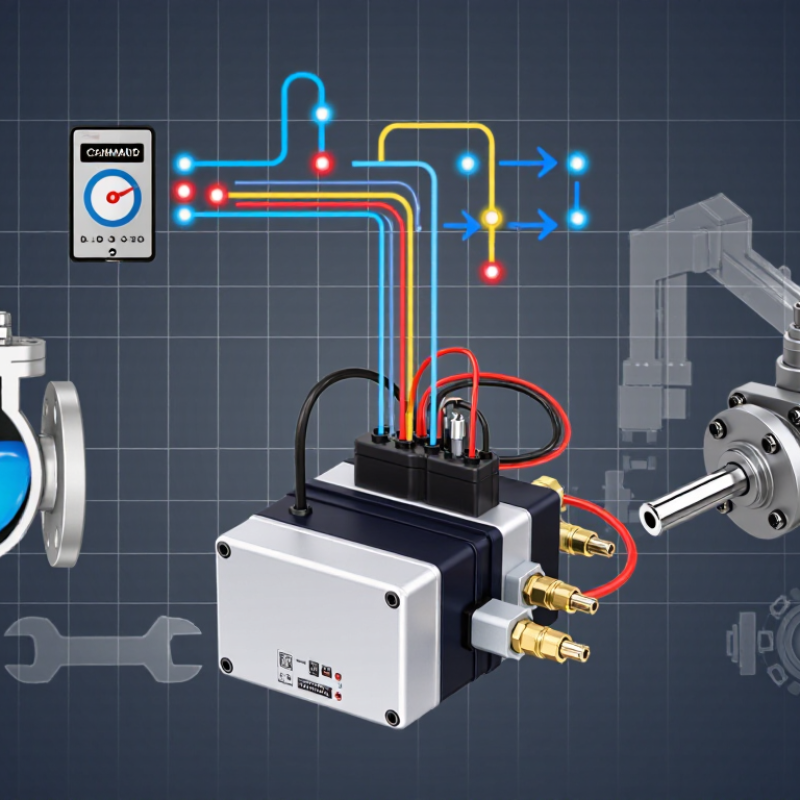
What Is a Hydraulic Valve Controller?

Definition and Basic Purpose of a Hydraulic Valve Controller

What Is a Hydraulic Valve Controller?

A hydraulic valve controller is the decision layer between an operator, sensor, and hydraulic valve. Its basic purpose is simple: regulate fluid flow, pressure, or direction with greater consistency. It may receive electrical signals, pressure readings, or position feedback. Then, it adjusts a spool, solenoid, or proportional valve.

This control improves actuator movement in presses, lifting equipment, and mobile machinery. For example, a controller can slow a cylinder before it reaches the end of its stroke. That reduces shock, noise, and mechanical stress. It can also maintain steadier pressure when the load changes. The 2024 Hydraulic Equipment Market report estimates the global sector will grow from about 44 billion US dollars in 2024 to more than 53 billion by 2029. That growth reflects continued demand for controlled fluid power, not merely higher pressure.

Efficiency still needs careful testing. The U.S. Department of Energy identifies leakage, throttling, and excess heat as common hydraulic energy losses. A controller cannot repair a worn seal or an incorrectly sized valve. Engineers sometimes expect software to solve hardware problems. It rarely does. Field measurements remain essential, and real machines are less tidy than diagrams.

Tips: Check the valve’s rated flow, pressure, response time, and signal type. Install pressure and position feedback where accuracy matters. Review filter condition and fluid cleanliness regularly. ISO 4406 cleanliness codes provide a practical method for recording contamination levels. Keep commissioning notes; small pressure changes can reveal larger faults.

Core Components and How the Controller Operates

What Is a Hydraulic Valve Controller?

Core Components and How the Controller Operates

A hydraulic valve controller manages fluid flow, pressure, and actuator movement. It connects electrical commands with mechanical hydraulic action. In practical systems, the controller may receive signals from switches, sensors, or a digital control unit.

Its core components include a control circuit, input sensors, valve solenoids, and a hydraulic spool. The circuit interprets the requested movement. The solenoid then shifts the spool inside the valve body. This change directs pressurized oil toward a cylinder or motor. Return fluid travels through another passage and flows back to the reservoir.

Pressure matters. A pressure sensor helps detect unstable conditions or blocked flow. A relief valve can limit excessive pressure, protecting seals, hoses, and actuators. Some systems also use temperature sensors because hot fluid becomes thinner and may reduce control accuracy. Small errors matter.

During operation, the controller continuously compares the commanded position with the actual response. If a cylinder moves too slowly, the system may adjust valve opening or identify a pressure problem. Skilled technicians check wiring, contamination, leakage, and calibration before replacing components. A clean filter often solves problems that appear electronic. Not always, though. That assumption can waste time.

Reliable operation depends on correct fluid viscosity, secure connections, accurate sensor readings, and regular inspection. Poor grounding may create erratic signals. Mechanical wear can also imitate software failure. Testing under real load is essential, because a valve can behave normally without resistance and fail when the machine performs demanding work.

Main Types of Hydraulic Valve Controllers

What Is a Hydraulic Valve Controller?

A hydraulic valve controller manages how fluid moves through a hydraulic system. It may use a lever, solenoid, electronic signal, or proportional actuator. The controller adjusts valve position, pressure, or flow. A small command can move a heavy cylinder, so accurate control matters. In workshop testing, delayed movement often indicates contamination, air, or incorrect signal calibration.

Main Types of Hydraulic Valve Controllers

Directional valve controllers change the path of hydraulic fluid. They control cylinder extension, retraction, or motor rotation.

Pressure valve controllers limit or maintain pressure, helping protect pumps, hoses, and actuators. Common examples include relief, reducing, and sequence controls.

Flow valve controllers regulate fluid volume and affect actuator speed.

Proportional controllers offer smoother adjustment than basic on-off control.

Servo controllers provide finer response for demanding motion systems, but they require cleaner fluid and careful tuning. A perfectly smooth response is not always necessary.

Applications Across Hydraulic Systems and Machinery

What Is a Hydraulic Valve Controller?

A hydraulic valve controller regulates how fluid moves through a hydraulic system. It receives an electrical or mechanical command, then adjusts valve position, pressure, or flow. This control affects cylinder speed, motor torque, and actuator direction. In practical systems, sensors may measure pressure, position, temperature, or load. The controller compares these signals with target values and corrects valve movement.

Applications Across Hydraulic Systems and Machinery

Hydraulic valve controllers support many types of machinery. In construction equipment, they help excavator arms move smoothly despite changing loads. In agricultural machines, they control steering, lifting tools, and variable-speed hydraulic motors. Manufacturing presses use them to manage clamping force and movement accuracy. Mobile lifting platforms also depend on controlled flow for steady positioning. Small errors matter.

A properly configured controller can reduce pressure shocks, energy waste, and unnecessary component wear. Proportional valves allow gradual movement, while directional valves provide reliable switching. Closed-loop feedback usually improves accuracy, but it also increases system complexity. During commissioning, technicians should check hose connections, sensor calibration, oil cleanliness, and emergency stopping functions. A valve may respond slowly when oil is cold. It may behave differently after prolonged operation. These details deserve testing under real loads, not only on a workbench.

Control settings often require adjustment for temperature, payload, and actuator friction. Excessive gain can cause vibration or unstable motion. Insufficient gain can make the machine feel unresponsive. Clear maintenance records help technicians identify recurring faults and verify safe operating limits. A practical design leaves room for inspection, manual isolation, and future control changes.

Selection, Installation, and Maintenance Considerations

What Is a Hydraulic Valve Controller?

A hydraulic valve controller regulates valve movement by converting an electrical or mechanical command into controlled hydraulic action. Selection should begin with pressure, flow rate, valve type, and required response speed. Check fluid compatibility carefully, especially when seals face heat, moisture, or changing viscosity. A controller with position feedback can improve accuracy, but it may increase wiring and calibration needs. In practice, selection is rarely perfect. Allow operating margins instead of matching average conditions only.

Tips: Record real pressure readings.

During installation, keep ports capped until connection. Small particles can damage sensitive control passages quickly. Mount the controller where vibration, heat, and accidental impact remain limited. Use correctly rated hoses and fittings, then inspect every connection before pressurizing the circuit. Confirm signal polarity, travel direction, and emergency behavior with the equipment isolated. A slow startup helps reveal leaks without creating a sudden movement hazard.

Maintenance should follow actual operating conditions, not only a calendar. Inspect seals, connectors, tubing, and mounting hardware for cracks or looseness. Watch for delayed motion, unstable speed, unusual noise, or rising oil temperature. These symptoms can indicate contamination, internal leakage, or incorrect settings. Clean filters and sample hydraulic fluid when contamination is suspected. Keep calibration records with dates and measured values. I have found that small drift is easy to dismiss, yet it often becomes expensive later. Recheck assumptions after major load, temperature, or control changes.

What Is a Hydraulic Valve Controller?

A hydraulic valve controller regulates fluid flow, pressure, or actuator movement by converting an electrical command into a controlled valve response. The chart presents a practical engineering weighting for selecting a controller in a representative hydraulic application.

Pressure and flow compatibility should be verified against the system design and valve datasheet. During installation, keep electrical wiring separated from high-current equipment, remove air from the hydraulic circuit, and check for leaks. Maintenance should include filter-condition checks, connector inspections, calibration verification, and monitoring for abnormal heat, noise, or response delay. The percentages are representative planning values rather than universal manufacturer ratings.

FAQS

What does a hydraulic valve controller do?

It manages fluid movement inside a hydraulic system. A small command can move a heavy cylinder. Accurate control matters.

What are the main types of hydraulic valve controllers?

Directional controllers change fluid paths and control actuator direction. Pressure controllers limit or maintain hydraulic pressure. Flow controllers regulate actuator speed. Proportional and servo controllers provide smoother, finer movement.

How should I choose a hydraulic valve controller?

Match the controller with pressure, flow rate, valve type, and response requirements. Check fluid compatibility and operating temperature. Allow safety margins. Average conditions can mislead.

Where are hydraulic valve controllers commonly used?

They support construction, agriculture, manufacturing, and lifting equipment. They control excavator arms, steering systems, presses, and lifting platforms. Small errors matter.

Why might a hydraulic actuator move slowly or unevenly?

Possible causes include contamination, trapped air, cold oil, or incorrect calibration. A restricted return line can create confusing symptoms. Check filters, connectors, pressure, and wiring before replacing parts.

What should be checked during installation?

Keep ports capped until connection. Use correctly rated hoses and fittings. Check signal polarity, travel direction, and emergency behavior. Start slowly. Watch for leaks.

How does feedback affect controller performance?

Sensors can measure pressure, position, temperature, or load. The controller compares readings with target values. Closed-loop feedback usually improves accuracy. It also adds wiring and calibration work.

How should hydraulic valve controllers be maintained?

Inspect seals, connectors, tubing, and mounting hardware regularly. Look for delayed movement, unstable speed, noise, or rising oil temperature. Clean filters when contamination is suspected. Record calibration dates and measured values. Small drift is easy to dismiss.

Conclusion

A Hydraulic Valve Controller is a device or control system that regulates the movement, pressure, and flow of hydraulic fluid so machinery can operate safely and accurately. It receives input from an operator, sensor, or automated system, then adjusts hydraulic valves to direct fluid toward actuators such as cylinders or motors. Its core components may include control valves, electronic or mechanical actuators, sensors, signal processors, and protective elements. Depending on system requirements, controllers can be manual, hydraulic, electro-hydraulic, or fully electronic.

Hydraulic Valve Controllers are widely used in industrial equipment, mobile machinery, agricultural systems, lifting platforms, and automated production lines. When selecting one, users should consider operating pressure, flow capacity, response speed, control method, environmental conditions, and compatibility with the existing hydraulic circuit. Correct installation requires clean connections, proper alignment, and accurate calibration. Regular maintenance, including leak inspections, filter checks, fluid quality monitoring, and functional testing, helps extend service life, improve efficiency, and prevent unexpected equipment downtime.

Oliver

Oliver

Oliver is a professional marketing specialist with a strong understanding of the company’s products, services, and customer needs. With a practical background in market research, content strategy, and digital communication, he is dedicated to helping audiences better understand how thoughtful......