- ISO 9001:2015 Certified Manufacturing — Canada
- Engineering Support Since 1991
Explore our export-grade portfolio of industrial automation modules, solid-state output transmitters, fieldbus gateways, and high-precision process control interfaces designed for OEM and tier-1 system integration.
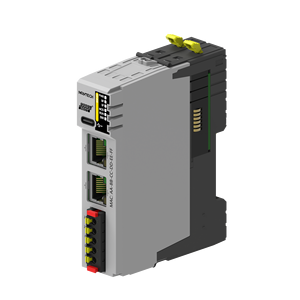
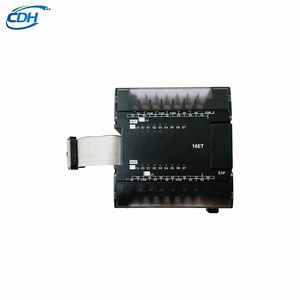
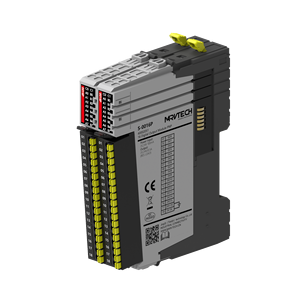
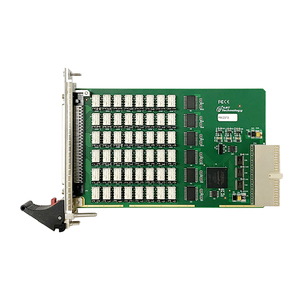
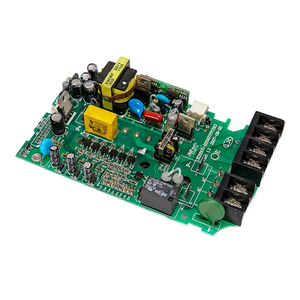
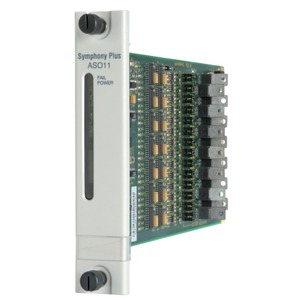
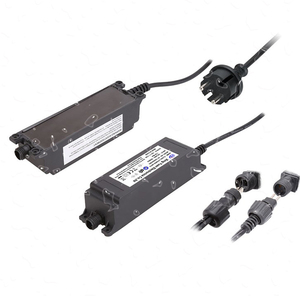
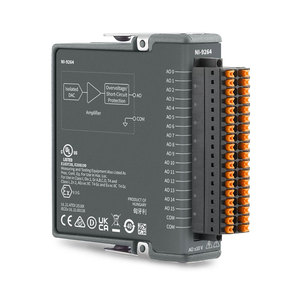
A comprehensive technical analysis of signal conditioning, protocol encapsulation, and hardware reliability for modern industrial automated systems.
The industrial landscape has shifted dramatically from traditional analog current loops (4-20mA and 0-10V) toward digital, microprocessor-driven intelligent sensor transmitters. Legacy analog transmitters suffered from signal attenuation over long cable runs, susceptibility to electro-magnetic interference (EMI), and limited diagnostic feedback. Modern industrial sensor transmitters incorporate high-resolution Analog-to-Digital Converters (ADCs), onboard digital signal processing (DSP), and integrated fieldbus transceivers (SAE J1939, CANopen, PROFINET, and EtherNet/IP).
Primary sensor elements—such as piezoresistive pressure cells, RTD temperature probes, and capacitive level sensors—generate micro-volt signals susceptible to operational drift. High-performance sensor transmitters designed by top Chinese manufacturers utilize active operational amplifiers and instrumentation-grade differential inputs with low total harmonic distortion (THD).
Furthermore, standard industrial environments present ground loops and severe electrical transients. Galvanic isolation (up to 3kV AC) between power supply, input sensing channels, and output communication stages prevents ground potential differences from corrupting measurement data or destroying upstream controller CPUs.
Key technological shifts global procurement directors and control engineers must evaluate when sourcing sensor transmitters from leading Chinese exporters.
As smart factories require real-time telemetry, traditional CANbus (500 kbps) is evolving toward CAN FD (Flexible Data-rate up to 5 Mbps) and Single Pair Ethernet (10BASE-T1L). Global buyers are increasingly prioritizing sensor transmitters capable of dual-protocol conversion, enabling legacy heavy-machinery architecture to interface with high-bandwidth IoT cloud platforms effortlessly.
Industrial applications in mining, off-highway machinery, and marine environments demand sensor transmitters built to endure severe mechanical stress. Leading manufacturers now offer fully encapsulated (potted) IP67 and IP69K rated aluminum housings tested against 50G mechanical shocks, continuous broad-band vibration, and operating temperatures spanning -40°C to +85°C.
To reduce OEM integration timelines and stock-keeping complexity, procurement managers are turning to modular I/O transmitters. Modern units allow dynamic assignment of digital vs. analog channels via software configuration tools, drastically lowering spare-part inventory carrying costs.
| Performance Metric | Legacy Analog Transmitters | Standard Digital Transmitters | Next-Gen Smart Sensor Transmitters |
|---|---|---|---|
| Signal Protocol | 4-20mA, 0-10V DC | Modbus RTU / RS-485 | SAE J1939, CANopen, CAN FD, EtherNet/IP |
| Sampling Rate & Resolution | Continuous / Low Precision | 12-bit ADC / 1 kS/s | 16 to 24-bit ADC / Up to 25 kS/s per channel |
| Galvanic Isolation | Unisolated or 500V Opto | 1.5kV AC Isolation | 3kV AC Continuous Isolation / Potted Isolation |
| Diagnostics & Edge Processing | None (Faults signal out of range) | Basic Status Registers | Predictive Maintenance, Wire-Break & Short Circuit Sensing |
| Ingress Protection | IP54 / IP65 Plastic Enclosures | IP65 Aluminum Housing | IP67 / IP69K Cast Aluminum & Potted Resin |
We combine over three decades of harsh-environment engineering expertise with advanced ISO 9001:2015 certified manufacturing capabilities.
Our engineering teams manage the entire product lifecycle from physical PCB layout, custom firmware development (C++, C#, embedded microcode), to structural housing prototyping. Whether you require customized CAN bus signal converters, high-power DC-DC converters, or specialized hydraulic valve controllers, we deliver turnkey solutions tailored to your technical specifications.
Quality reliability is non-negotiable. Every sensor transmitter design undergoes extensive environmental qualification testing in state-of-the-art facilities:
Get immediate answers to common technical, sourcing, and customization inquiries regarding our sensor transmitter platforms.
Our sensor transmitters and signal conversion modules support standard SAE J1939 and CANopen protocols as standard. Select models also provide integrated hardware and firmware interfaces for Modbus RTU/TCP, PROFINET, EtherNet/IP, Automotive Ethernet, RS-232, RS-422, RS-485, and CAN FD networks. Protocol converter gateways are available to seamlessly bridge legacy fieldbus installations with modern industrial control systems.
Yes. Our modules are engineered from the ground up for extreme operating conditions. They feature potted IP67/IP69K sealed housings, rugged aluminum enclosures, extended operational temperature ranges (-40°C to +85°C), and resistance to severe mechanical shock, sustained vibration, and electromagnetic interference (EMC/EMI).
Absolutly. We offer complete OEM control and transmitter design services worldwide covering hardware engineering, custom PCB design, embedded firmware programming (C++, C#, microcode), and full system architecture integration. Where existing catalog platforms are close to your requirements, we can factory-program custom firmware parameters to drastically accelerate your time-to-market.
Our sensor transmitters incorporate precision instrumentation amplifiers, multi-stage RC filtering, high-resolution ADCs (up to 24-bit), and 3kV galvanic isolation between input sensing, power supply, and output signal lines. For long-distance transmissions, we recommend utilizing differential digital buses (CAN bus, RS-485) or current-loop configurations to ensure zero signal degradation.
All production takes place in ISO 9001:2015 certified facilities under strict quality control processes. Products are fully compliant with CE marking, RoHS environmental standards, and international industrial guidelines set by CAN in Automation (CiA) and SAE International.
Standard catalog sensor transmitters and evaluation units are typically dispatched within 3 to 5 business days. For customized OEM variants involving special wire harness connectors, factory pre-programming, or custom pinout configurations, sample production usually ranges from 2 to 4 weeks depending on component sourcing and engineering validation requirements.
Contact our senior application engineers today to discuss your sensor transmitter requirements, request technical datasheets, or scope out a custom OEM controller project.