- ISO 9001:2015 Certified Manufacturing — Canada
- Engineering Support Since 1991
Engineered for harsh operating environments, featuring ultra-low latency wireless RF, fieldbus protocol translation, and military-grade enclosure sealing.
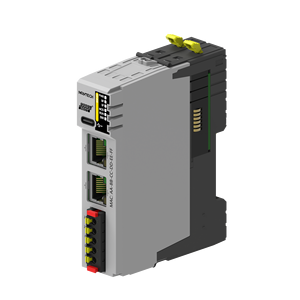
Heavy-duty power management module optimized for light advertising, backlighting, and industrial display drive control.
Get Catalog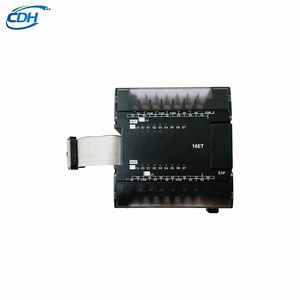
High-speed 16-channel solid-state expansion output module for industrial PLC automation and remote switching systems.
Get Catalog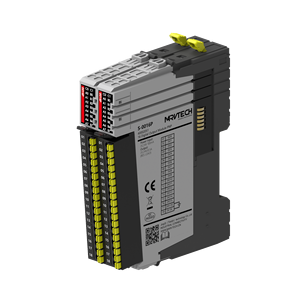
MT20S Series individual fieldbus I/O module enabling real-time remote protocol conversion for industrial PCs and wireless hubs.
Get Catalog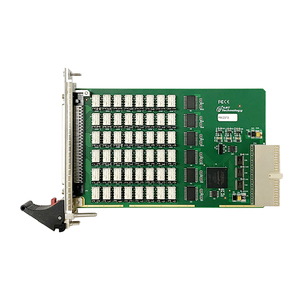
Programmable remote controller featuring heavy load switching capacity and open SDK integration for customized OEM applications.
Get Catalog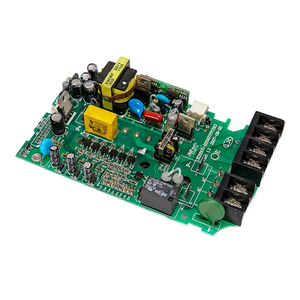
Multi-voltage (120V/220V/1000V) 2kW hybrid solar power transformer PCB board designed for off-grid remote machine stations.
Get Catalog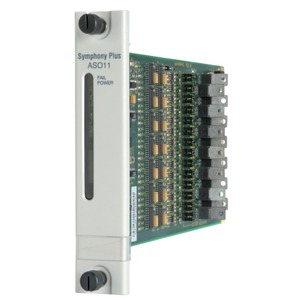
High-precision signal conditioning module engineered for proportional hydraulic valve drivers and analog tele-operation actuators.
Get Catalog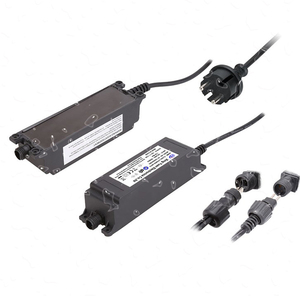
Ip67-rated rugged outdoor power converter delivering stable multi-voltage output for heavy machinery and wireless transmitter stations.
Get Catalog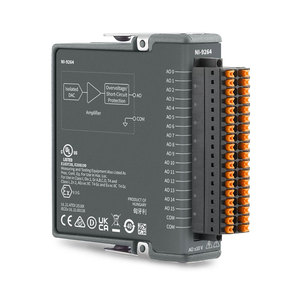
25 kS/s/ch high-speed ±10V simultaneous analog controller designed for real-time telemetry and precision industrial feedback loops.
Get CatalogAn engineering perspective on how top Chinese manufacturers are combining advanced RF transmission with rugged CANbus controllers to transform global machine tele-operation.
As global demand for automated off-highway vehicles, construction machinery, mining excavators, and smart logistics cranes accelerates, purchasing managers and design engineers are re-evaluating their supply chains. Leading Chinese wireless remote control and PLC module manufacturers have evolved from simple assembly suppliers to full-stack electronic engineering partners capable of delivering custom hardware, firmware, and fieldbus protocol translation.
Modern wireless remote transmitter and receiver architectures must perform reliably under severe electromagnetic interference (EMI), mechanical vibration, and extreme temperature fluctuations ranging from -40°C to +85°C. By leveraging advanced manufacturing clusters in China alongside international quality frameworks (such as ISO 9001:2015), global OEMs can achieve up to a 40% reduction in total procurement costs while securing state-of-the-art telemetry performance.
Native bridging across SAE J1939, CANopen, PROFINET, EtherNet/IP, and Modbus RTU/TCP protocols ensures instant integration into existing equipment bus architectures.
Dual-microcontroller redundant circuit designs featuring emergency stop (E-Stop) safety relays certified to Performance Level d/e (PLd/PLe) and SIL 3 standards.
Sealed IP67/IP69K enclosures constructed from impact-resistant polycarbonates, qualified to withstand 50G shock loads and continuous thermal cycling.
Anticipating next-generation engineering requirements to ensure long-term supply chain resilience and technology leadership.
Industrial jobsites are dense with electromagnetic noise. Modern wireless remotes incorporate Frequency Hopping Spread Spectrum (FHSS) algorithms that scan and jump across 128 channels in milliseconds, preventing signal dropouts near heavy electric motors or high-voltage transformers.
Procurement teams are shifting away from standalone joysticks toward integrated telematics control units (TCUs). Receivers now directly host PWM current-controlled valve drivers for hydraulic proportional actuators alongside IoT cellular/satellite gateways for real-time fleet diagnostic feedback.
Hardware rigidity is being replaced by software flexibility. Leading suppliers provide open SDK environments (such as the 237x Series I/O modules), empowering OEM engineers to write custom control logic, ramp parameters, and safety interlocks directly onto the onboard microprocessor.
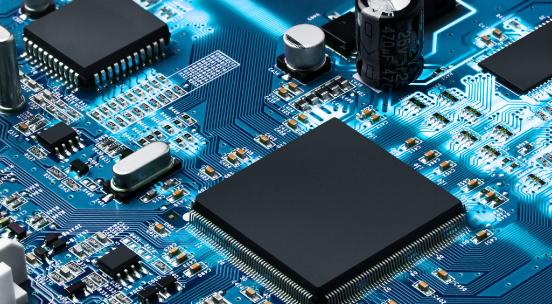
Compare performance parameters across core wireless control, I/O conversion, and power management product families.
| Module Category | Primary Interface / Protocol | Input / Output Specs | Environmental Rating | Target OEM Applications |
|---|---|---|---|---|
| Wireless RF Remote Transmitters | 2.4GHz FHSS / Sub-1GHz RF / CANbus | Up to 12 Digital / 4 Proportional Analog Inputs | IP65 / IP67 (-40°C to +85°C) | Overhead Cranes, Mining Equipment, Concrete Pumps |
| Proportional Hydraulic Controllers | SAE J1939 / CANopen / PWM Output | 8 PWM Current Outputs (up to 3A per ch) | IP67 Sealed / 50G Vibration | Mobile Hydraulics, Forestry Loaders, Excavators |
| Discrete Fieldbus I/O Gateways | EtherNet/IP, PROFINET, Modbus RTU/TCP | 16 Solid-State Outputs / PNP Digital Inputs | Industrial Panel Mount / DIN-Rail | Factory Automation, PLC Expansion, Ad Panels |
| High-Speed Signal Conditioners | ±10V Voltage / 4-20mA Loop / High Density C-Series | 16 Simultaneous Channels (25 kS/s/ch) | EMC Class A / Industrial Grade | Precision Process Control, Test Benches, Telemetry |
| Rugged Auxiliary Power Converters | DC-DC Isolated / MPPT Micro Solar Hybrid | 5V to 36V DC / Up to 2kW Inverter Capacity | CE Certified / Class 2 Waterproof | Off-Grid Power Stations, Marine Controls, Solar Telematics |
Combining North American design standards and European firmware precision with China's world-class manufacturing scale.
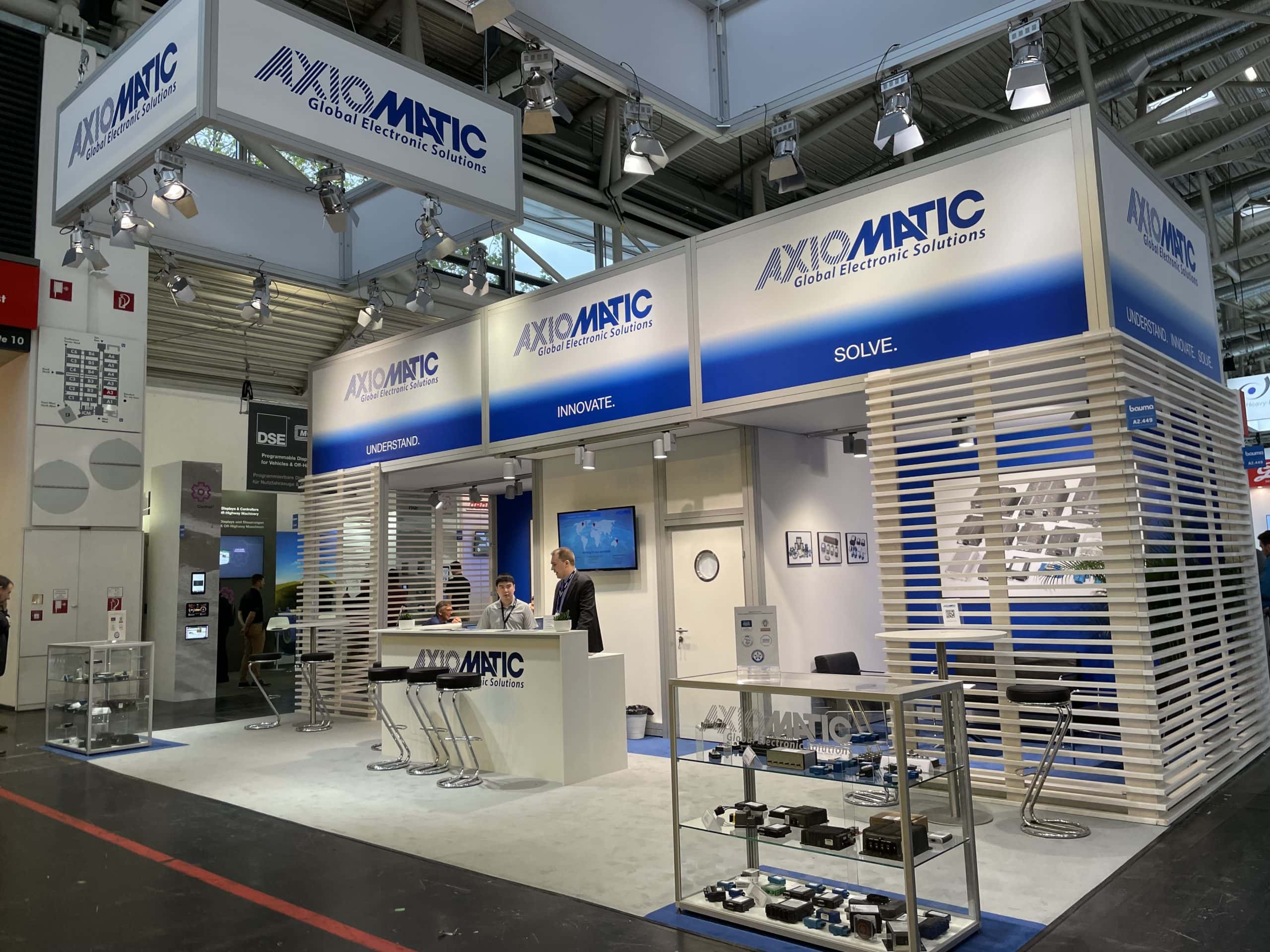
Since 1991, our global engineering group (with principal R&D facilities in Canada, firmware teams in Finland, and optimized manufacturing operations) has set the benchmark for rugged electronic controls. We don't just supply off-the-shelf parts; we partner with machine OEMs to design and validate custom control units.
Every wireless remote system and I/O module undergoes rigorous validation inside our in-house testing labs, including thermal shock testing, electromagnetic compatibility (EMC) chamber analysis, salt spray corrosion testing, and high-frequency vibration testing.
 ISO 9001:2015 Quality Certified
 CAN in Automation (CiA) Member
 SAE International Corporate Member
From energy microgrids to heavy mining machinery, our wireless controls and I/O fieldbus modules operate where failure is not an option.
Direct technical answers to common questions regarding wireless remote sourcing from Chinese suppliers.
Consult with our senior control engineers to request full technical datasheets, CAD models, customized firmware options, or factory-direct price quotes.