- ISO 9001:2015 Certified Manufacturing — Canada
- Engineering Support Since 1991
Explore our industrial-grade power chargers engineered for Lithium-Ion, LiFePO4, Lead-Acid, and Ni-MH battery chemistries.
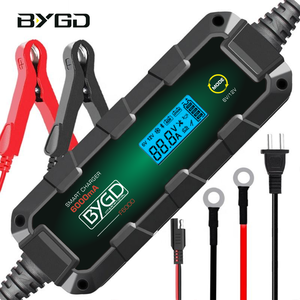
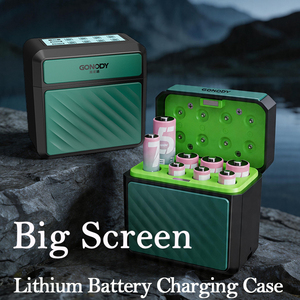
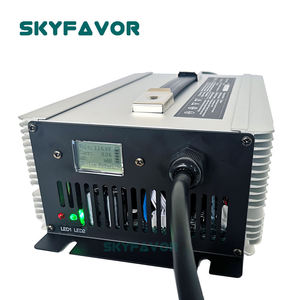
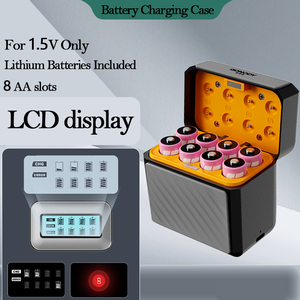
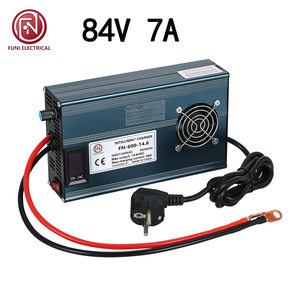
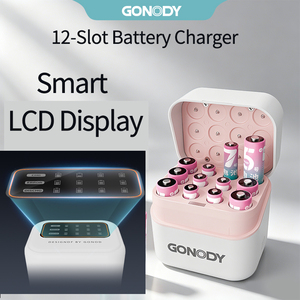
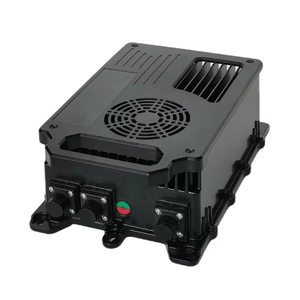
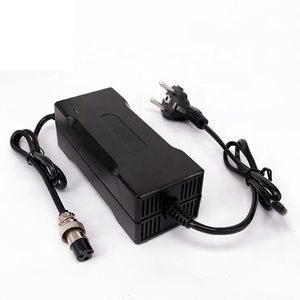
The global transition toward electrification across e-mobility, material handling, energy storage systems (ESS), and industrial automation has transformed the global market for battery chargers. B2B purchasers, original equipment manufacturers (OEMs), and system integrators seeking China Wholesale Battery Charger Suppliers & Exporters are no longer evaluating suppliers based solely on unit pricing. Today’s procurement decisions demand high technical rigor, rigorous quality compliance, and reliable supply chain integration.
Modern battery chargers are complex power management systems required to communicate seamlessly with Battery Management Systems (BMS) over protocol bus interfaces such as CANbus (SAE J1939 and CANopen). Modern industrial charging hardware must deliver high power conversion efficiency (often exceeding 94%), adhere to strict electromagnetic compatibility (EMC) regulations, and provide multi-stage charging curves calibrated for diverse cell chemistries—including Lithium Iron Phosphate (LiFePO4), Nickel-Manganese-Cobalt (NMC), and advanced AGM/Lead-Acid configurations.
When engineering directors and supply chain managers analyze China's manufacturing ecosystem for power electronics, they prioritize manufacturers that offer complete end-to-end design verification, regulatory certification support (UL, CE, FCC, RoHS, UN38.3), and robust custom firmware capabilities.
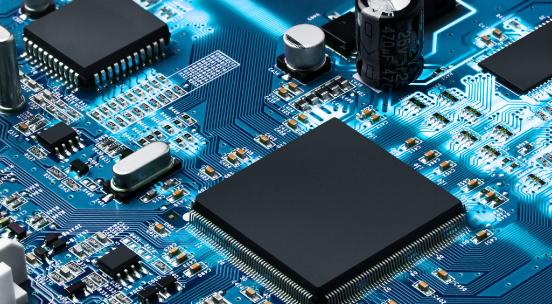
To evaluate a wholesale manufacturer's technical depth, engineers must examine the internal topology and firmware execution within the charging hardware. High-efficiency power conversion relies on modern circuit designs and intelligent monitoring software.
Advanced high-power chargers incorporate continuous PFC stages yielding power factors >0.99. This minimizes harmonic distortion on the grid, optimizes AC input utilization, and ensures international grid compliance across 100V–240V lines.
Microcontroller-driven 8-stage charging (Desulphation, Soft Start, Bulk, Absorption, Analysis, Recondition, Float, Pulse Maintenance) extends lithium and lead-acid battery lifecycle while preventing thermal runaway.
Industrial units for e-forklifts and AGVs feature bi-directional CANbus protocols (SAE J1939 / CANopen). They dynamic adjust charging parameters based on BMS telemetry, recording charge cycles and error logs.
This technical selection table provides procurement engineers with clear specifications when specifying custom OEM/ODM battery charger orders from Chinese manufacturing facilities.
| Charger Category | Voltage & Current Range | Efficiency Rating | IP Ingress Rating | Primary Target Applications |
|---|---|---|---|---|
| Consumer & Portable Maintenance | 12V (2A – 6A), Multi-Slot 1.2V-1.5V | >85% Efficiency | IP20 – IP44 Indoor | AA/AAA Li-ion/Ni-MH, Automotive Battery Trickle Charging |
| Mid-Power E-Scooter & Light EV | 36V – 84V (2A – 7A / 600W Output) | >91% Efficiency | IP54 Aluminum Alloy | E-Mopeds, 18650 Battery Packs, Utility Scooters |
| High-Current Heavy Duty Fleet | 36V (40A Fast Charge) | >93% Active PFC | IP65 Heavy Heat-Sink | Golf Carts, Automated Guided Vehicles (AGVs), Floor Scrubbers |
| Industrial On-Board Charger (OBC) | 48V50A / 72V40A (3.3kW Output) | >95% SiC Switching | IP67 / IP68 Sealed | Electric Forklifts, Construction Machinery, CANbus Mining Fleet |
As global energy standards tighten and supply chains demand greater traceability, the landscape for sourcing battery chargers from China is rapidly evolving. Buyers must position their supply chains to leverage these macro-industry shifts:
Silicon Carbide (SiC) and Gallium Nitride (GaN) power switches are replacing traditional Silicon MOSFETs in high-power industrial chargers. This transition elevates switching frequencies, reduces transformer core sizes, and yields lightweight chargers with power densities exceeding 2kW per liter.
Proprietary closed charging communication is giving way to standardized CANbus protocols (such as CiA 418 / CiA 419 and SAE J1939). Future-proof suppliers provide factory-configurable software stacks that allow a single hardware charger platform to service multiple battery chemistry vendors.
Industrial equipment fleets are expanding beyond passive consumption. Next-generation chargers are engineered with bi-directional capability (Vehicle-to-Grid V2G / Vehicle-to-Load V2L), transforming electric forklifts and mobile equipment into distributed energy storage assets during peak grid loads.
European and North American regulatory mandates require comprehensive product life-cycle analysis. Leading Chinese exporters are implementing green factory practices, utilizing recycled aluminum housings, and providing ISO 14064 carbon footprint declarations alongside standard compliance certificates.
Long lead times for custom power supply development are being compressed through modular engineering platforms. Top suppliers utilize standardized power core modules combined with custom-molded enclosures and programmable firmware, reducing new product development (NPD) cycles from 12 months to under 12 weeks.
Backed by over three decades of harsh-environment control engineering, our manufacturing infrastructure combines international quality management systems with automated production lines. Operating under an ISO 9001:2015 certified framework, our manufacturing footprint guarantees every charger delivered meets rigorous industrial field standards.
From automated Surface Mount Technology (SMT) component placement to 100% full-load burn-in environmental testing, our quality control protocols ensure zero-defect output for critical off-highway, energy, and automotive machinery deployments.
 ISO 9001:2015 Certified Manufacturing
 CAN in Automation (CiA) Official Member
 SAE International Standards Participant
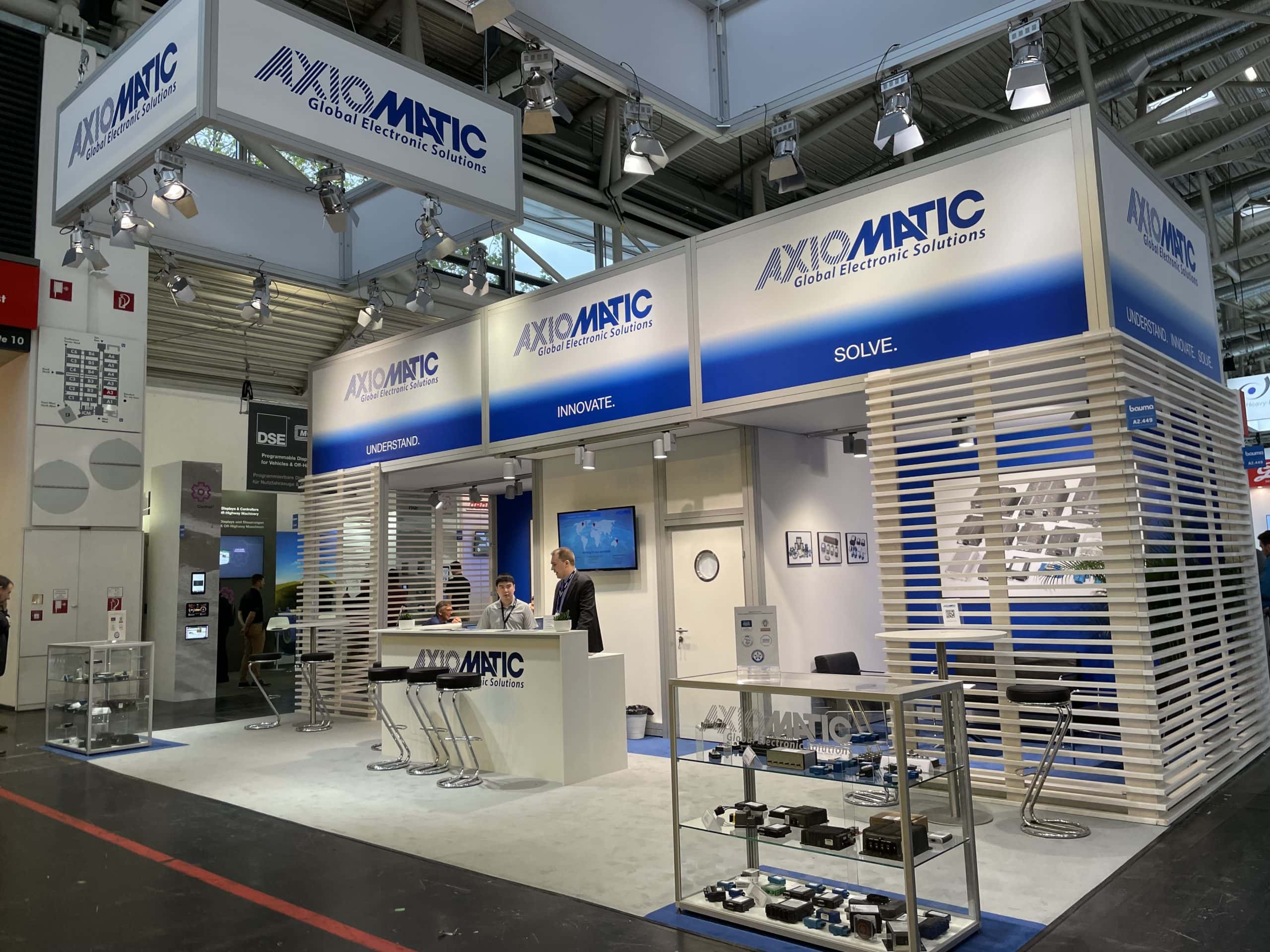
Address key technical, logistical, and customization requirements when partnering with China wholesale battery charger exporters.