- ISO 9001:2015 Certified Manufacturing — Canada
- Engineering Support Since 1991
In the rapidly evolving industrial automation, smart retail, and heavy equipment sectors, selecting an authoritative Machine Display Manufacturer & Exporter is a high-stakes engineering and procurement decision. Today’s industrial display units are no longer passive visual output monitors; they serve as critical Human-Machine Interfaces (HMIs), interactive touch consoles, edge-computing nodes, and ruggedized communication hubs designed to survive severe operational stresses.
This technical procurement whitepaper examines the global manufacturing ecosystem, evaluating factory capabilities, optical bonding protocols, thermal management engineering, MTBF (Mean Time Between Failures) benchmarks, and system integration options. Whether sourcing open-frame monitors for self-service kiosks, stretched bar LCD displays for vending units, or heavy-duty CAN-bus visual consoles, this guide establishes the standards required by international procurement directors and embedded hardware engineers.
Engineered for extreme reliability, sun visibility, high electromagnetic compatibility (EMC), and continuous 24/7 commercial operation.
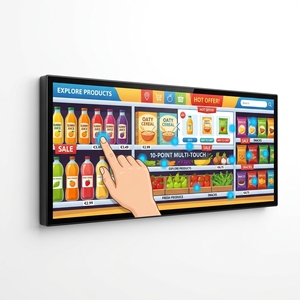
Ultra-wide bar LCD display tailored for smart retail shelves, edge computing signage, and automated vending machines. Features 10-point projected capacitive touch (PCAP), anti-glare coating, and integrated Android OS for low-latency remote content management.
Send an Inquiry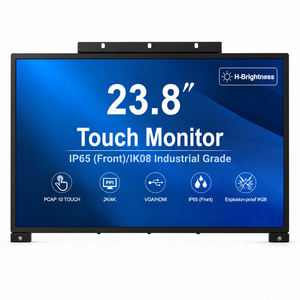
Versatile open-frame industrial monitor supporting custom OEM/ODM configurations. Engineered with a rugged metal chassis, IP65 front panel sealing, wide operating temperatures (-20°C to +70°C), and modular interfaces (HDMI, VGA, DVI, USB Touch Controller).
Send an Inquiry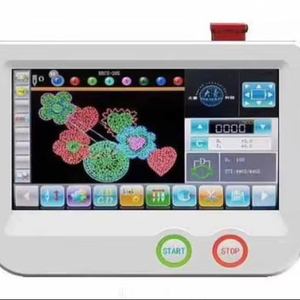
Specialized industrial embedded terminal with high immunity to electromagnetic interference (EMI). Built specifically for textile embroidery machines, high-speed automated stitching equipment, and real-time pattern rendering with responsive membrane/touch controls.
Send an Inquiry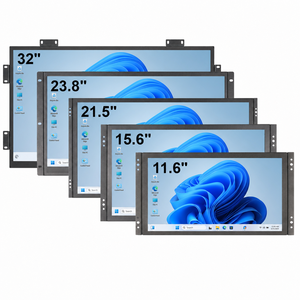
Custom commercial LCD display solutions designed for intensive high-use public terminals. Options include dynamic RGB LED halo framing, curved LCD glass, high refresh rates, and vandal-resistant tempered glass (IK08+ ratings).
Send an Inquiry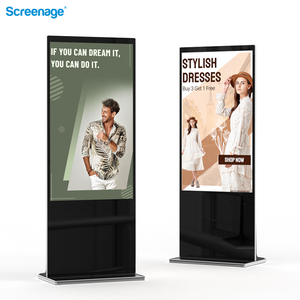
Commercial-grade indoor totem featuring dual-OS support (Android/Windows), sleek aluminum enclosure, integrated thermal dissipation, and rapid fulfillment via European warehouse logistics for fast European deployment.
Send an Inquiry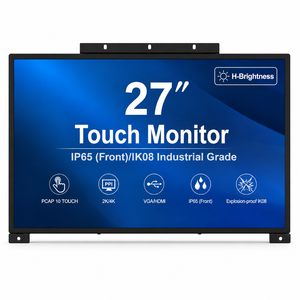
Optimized for ticketing machines, self-checkout stations, and heavy-use arcade cabinets. Features standard VESA mounting points, wide viewing angles (178°/178°), high contrast ratios, and customized bezel styling.
Send an Inquiry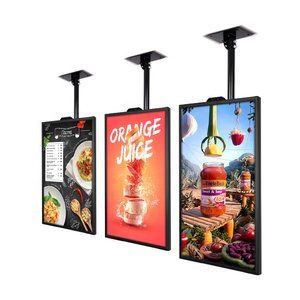
High-impact advertising machine displays offering up to 3,500 nits brightness with automated ambient light sensors. Prevents blackening under direct sunlight exposure via high-Tni optical liquid crystal panels (up to 110°C tolerance).
Send an Inquiry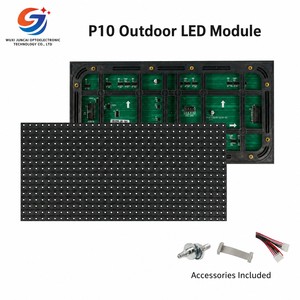
Heavy-duty scrolling storefront sign panel featuring IP65 resin-encapsulated SMD technology. Delivers clear messaging for industrial facilities, transit hubs, and retail exteriors with low power consumption and high visibility.
Send an InquirySystem architects and OEM buyers must evaluate several technical dimensions before integrating a machine display panel into custom equipment. Below is a engineering comparison matrix across primary application categories:
| Application Category | Typical Brightness | Touch Screen Tech | Ingress / Impact Rating | Key Interface Protocols |
|---|---|---|---|---|
| Outdoor Self-Service Kiosks | 1,500 – 3,500 Nits | PCAP (G+G, IK09 Vandal-Proof) | IP65 Front / IP54 Rear | HDMI, DP, USB-Touch, RS232 |
| Industrial Automation HMI | 400 – 800 Nits | 5-Wire Resistive / PCAP | IP65 NEMA 4X Sealed | LVDS, eDP, CAN-bus, Modbus RTU |
| Smart Retail & Bar Display | 500 – 1,000 Nits | 10-Point Capacitive Touch | IP20 – IP54 Commercial | Android SoC, Wi-Fi/RJ45, USB |
| Heavy Equipment & Agriculture | 800 – 1,200 Nits | Optical Bonded PCAP (Glove Touch) | IP67 / IP69K Fully Sealed | SAE J1939, CANopen, Automotive Ethernet |
As global supply chains emphasize resilience, modularity, and rapid engineering verification, the machine display industry is undergoing major structural shifts. Procurement managers must align their vendor evaluation metrics with these trends:
OEMs are shifting from proprietary monitor housings to modular open-frame designs. This allows engineers to drop display units into diverse enclosures without redesigning mounting brackets or altering internal wiring harnesses.
Air-gap displays suffer from internal reflection and condensation issues in outdoor settings. Advanced factories now use liquid clear optical adhesive (LOCA) or dry OCA bonding to fuse TFT panels directly with cover glass, improving contrast and structural integrity.
To combat lead-time fluctuations, leading exporters maintain forward stocking locations (e.g., European and North American distribution hubs) to ship standardized LCD sizes and custom-mount kits within 48 to 72 hours.
The industrial display market is moving beyond simple TFT LCD panels. Technical decision-makers should track three key technological directions over the coming 3 to 5 years:
Traditional edge-lit LCD displays degrade under direct solar thermal load, causing "isotropic blackening" when panel temperatures exceed 70°C. Modern outdoor exporters use High-Tni liquid crystal panels capable of tolerating up to 110°C without image degradation. Combined with Mini-LED localized dimming backlights, these screens reduce power consumption by up to 40% while sustaining over 3,000 nits peak brightness.
Machine displays are increasingly integrating hardware processing power natively into the display controller PCB. High-end display factories now embed Android, Linux Yocto, or RTOS board support packages (BSP) alongside hardware controllers capable of directly parsing SAE J1939, CANopen, RS-485, and Industrial Ethernet signals, reducing the need for separate standalone ECU compute blocks.
Industrial machinery often operates high-power motors, inverter drives, and pulse-width modulated (PWM) actuators that create significant electrical noise. Next-generation projected capacitive touch ICs feature active frequency hopping and thick-cover-lens support (up to 10mm glass or gloved operation), ensuring reliable touch registration without false triggers.
Partnering with a premier display exporter ensures access to full lifecycle design control—from panel glass cutting and custom backlight assembly to firmware development and environmental chamber validation.
Backed by decades of industrial electronics engineering expertise, ISO 9001:2015 certified production lines, and cleanroom optical bonding capabilities, our manufacturing facilities adhere to strict SAE J1939 and CAN bus integration standards for harsh environments worldwide.
Send our technical sales engineering team your project specifications, CAD models, or environmental requirements for a rapid technical proposal and competitive quotation.
Send an Inquiry