- ISO 9001:2015 Certified Manufacturing — Canada
- Engineering Support Since 1991
Modern industrial automation demands zero-downtime reliability, real-time deterministic processing, and robust signal conditioning capable of withstanding extreme electrical interference and mechanical stress. As global OEMs, system integrators, and engineering procurement teams audit the global market, selecting the right industrial controller supplier in China has evolved beyond simple unit pricing. Today, leading engineering groups prioritize technical compliance with standards such as IEC 61131-3, SAE J1939, ISO 9001:2015, PROFINET, and CANopen, along with demonstrated electromagnetic compatibility (EMC) and extended operating temperature ranges (-40°C to +85°C).
This technical whitepaper provides an exhaustive technical benchmark of top-tier industrial controller modules, discrete logic expansion blocks, fieldbus gateways, high-density analog output units, and heavy-duty embedded power management systems. By analyzing hardware architectures, signal conversion precision, and environmental protection ratings, procurement executives can optimize supply chain resilience while achieving significant information gain and technical competitive advantage.
Explore our top-recommended industrial control hardware platforms engineered for machine control, fieldbus bridging, high-speed switching, and severe outdoor or plant environments.
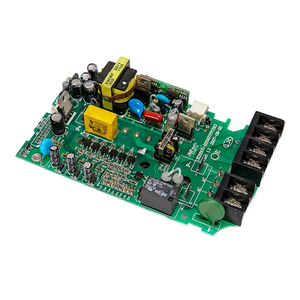
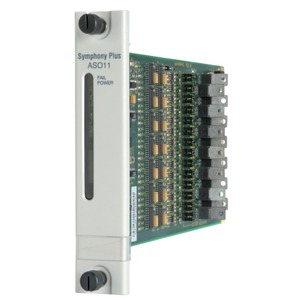
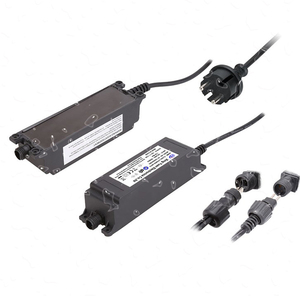
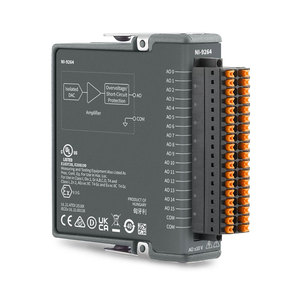
Engineering robust machine control requires hardware that resists severe vibration, thermal cycling, and high EMI noise while maintaining exact signal integrity. Leading manufacturers combine North American and European engineering supervision with optimized Chinese high-volume SMT manufacturing capabilities to deliver high-performance controllers at an efficient cost structure.
Every industrial controller board undergoes rigorous HALT/HASS (Highly Accelerated Life Testing/Stress Screening), 100% full-load electrical burn-in, dielectric isolation checks, and optical line inspection to guarantee zero field failures in mission-critical applications.
Advanced controller platforms natively bridge legacy and modern networks—seamlessly translating signals across SAE J1939, CANopen, Ethernet/IP, PROFINET, Modbus RTU/TCP, Automotive Ethernet, and CAN FD without increasing loop latency.
For unique machine topologies, our engineering partners deliver complete turnkey design services—spanning custom PCB lay-outs, rugged aluminum IP67 housings, low-level microcode, C++/C# software development kits, and targeted sensor driver integration.
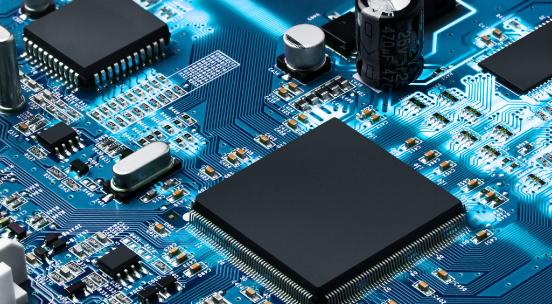
Our recommended industrial control hardware and signal conversion platforms excel across demanding industrial and mobile equipment environments.




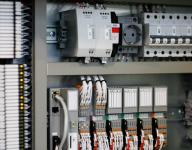
When selecting between OEM factories and industrial controller platforms, evaluating physical layer specs, protocol bandwidth, and galvanic isolation protects your automated machinery against long-term operating hazards.
| Controller Platform Type | Primary Industrial Protocols | Galvanic Isolation / Dielectric | Ingress & Thermal Rating | Optimal Industrial Application |
|---|---|---|---|---|
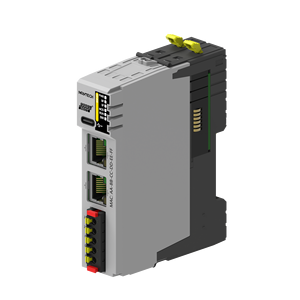
| Fieldbus I/O Expansion (MT20S) | EtherNet/IP, PROFINET, Modbus TCP | 1,500 V RMS Optocoupler | IP20 / -20°C to +70°C | Smart Factory Modular PLC Expansion & Industrial PC Networks |
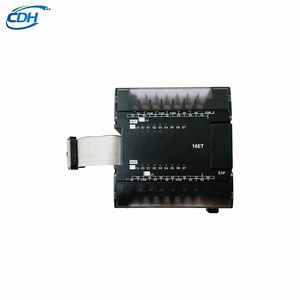
| Solid State Discrete Switching (CP1W) | High-Speed Pulse / Bus Direct | 3,000 V Surge Protection | Industrial Cabinet / -10°C to +60°C | High-Frequency Valve Actuation & Packaging Automation |
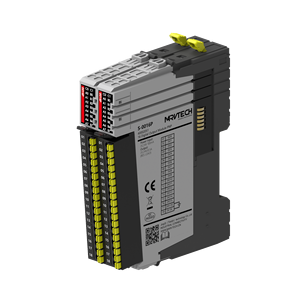
| Precision Analog Process Unit (SPASO11) | 4-20mA, 0-10V, RS-485 Modbus | 2,500 V DC Isolation | IP40 Metallic / -40°C to +85°C | Refinery, Water Treatment & Closed-Loop Closed-Valve Control |
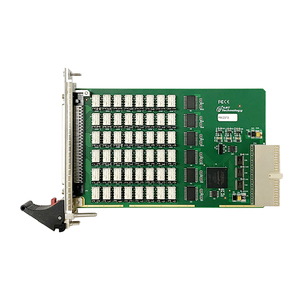
| High-Density DAQ Module (NI-9264 Architecture) | Simultaneous Synchronous Bus | 1,000 V Ch-to-Earth Isolation | Rugged Chassis / -40°C to +70°C | Automotive Hardware-in-the-Loop (HIL) Test Benches |
| Sealed OEM Outdoor Power & Drive Controller | CANbus, SAE J1939, PWM Output | Class 2 Galvanic Safety Isolation | IP67/IP68 Fully Potted / -40°C to +85°C | Off-Highway Excavators, Agricultural Machinery & Solar Power |
The industrial controller landscape is undergoing rapid technological transition driven by Industry 4.0, Edge AI processing, dynamic protocol convergence, and demanding sustainability metrics. Sourcing directors must align with manufacturers capable of adopting these cutting-edge architectural trends:
Traditional isolation between Operational Technology (OT) on the plant floor and Information Technology (IT) enterprise software is dissolving. Modern Chinese controller factories are embedding multi-core microprocessors capable of simultaneously running real-time deterministic fieldbus logic (such as PROFINET IRT or CAN FD) alongside high-level OPC UA FX communication stacks for direct cloud telematics and MES integration.
Industrial controllers are transitioning from simple logic execution nodes into intelligent edge monitoring hubs. By integrating micro-AI accelerators and digital signal processing (DSP) cores directly onto the controller PCB, modern units analyze high-frequency vibration, thermal anomalies, and current signatures in real time, triggering predictive maintenance alerts long before mechanical failure occurs.
With the adoption of Silicon Carbide (SiC) and Gallium Nitride (GaN) switching components in industrial power supplies and motor controllers, modern controllers achieve dramatically higher energy conversion efficiency, smaller physical footprints, and lower thermal dissipation. When combined with fully potted IP67/IP68 sealed enclosures, these controllers thrive in heavy shock, sub-zero, and high-humidity environments.
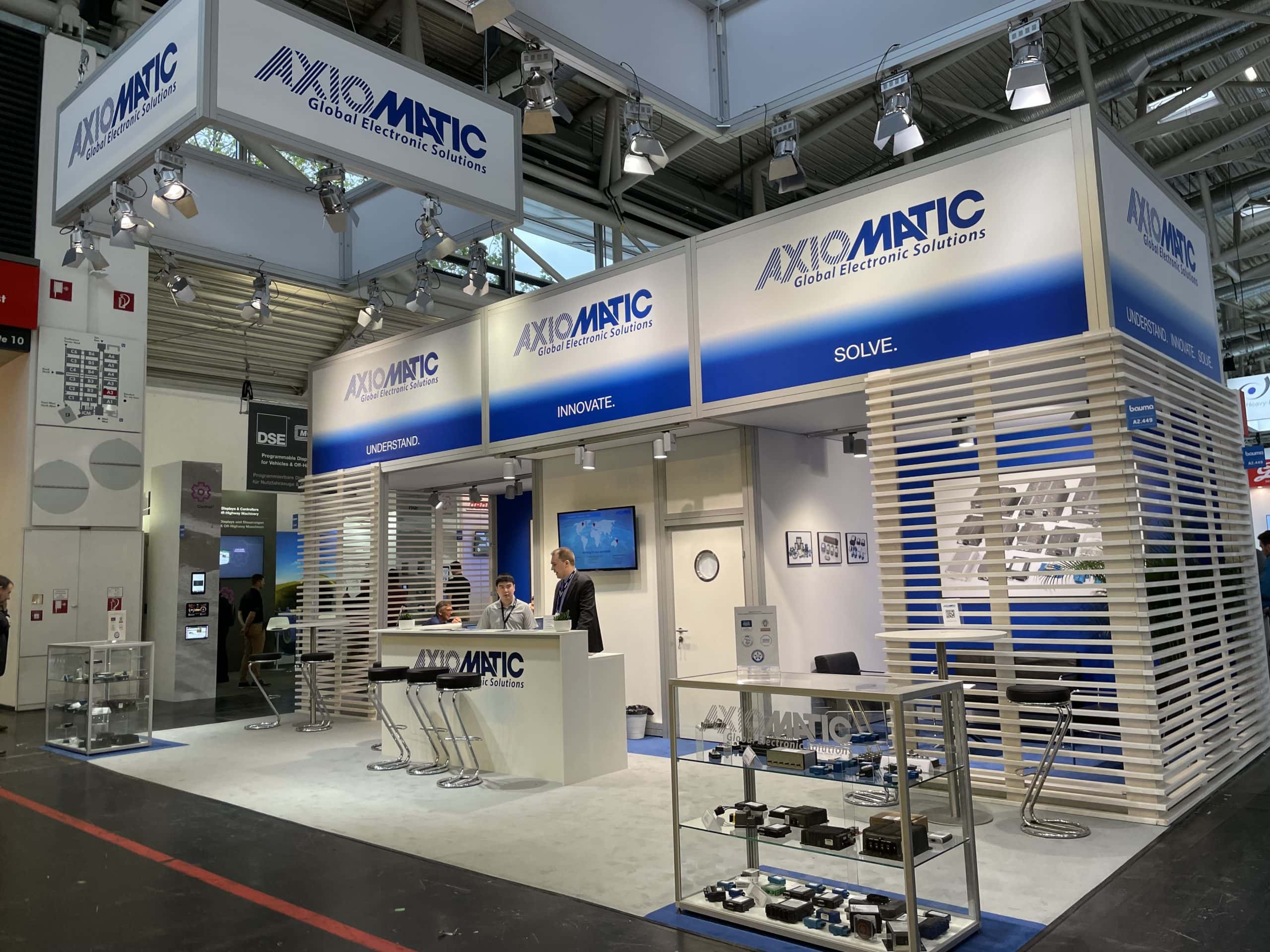
Navigating global supply chain volatility, component shortages, and stringent international regulatory landscapes requires procurement executives to adjust their sourcing strategies. When contracting China industrial controller manufacturers, key sourcing trends include:
Our manufacturing facilities and engineering processes adhere to international standards to ensure effortless global compliance and field durability.
 ISO 9001:2015 Certified Manufacturing
 CAN in Automation (CiA) Member
 SAE International Standards Member
Answers to common engineering and procurement questions regarding Chinese industrial controller sourcing, custom OEM development, and protocol compatibility.
Top-tier industrial controller factories integrate multi-stage isolation circuits on all input/output channels, including high-speed optocouplers, magnetic isolation transformers, and TVS (Transient Voltage Suppressor) diode arrays. PCBs are engineered with 4 to 8 layers utilizing dedicated ground planes. Complete controllers are validated in certified anechoic chambers to meet EN 61000-6-2 (Industrial Immunity) and EN 61000-6-4 (Industrial Emissions) standards.
Yes. OEM customization is a core capability. Engineering teams can factory-program specific fieldbus configurations (e.g., tailored CAN identifiers, J1939 PGN mapping, custom Modbus register tables), write dedicated C/C++ control loops, or integrate proprietary communication algorithms prior to shipping, dramatically shortening your system integration timeline on-site.
Standard catalogue modules and fieldbus gateways typically have no strict MOQ and can ship within 1 to 2 weeks. For customized OEM/ODM industrial controller hardware (requiring PCB modification, custom aluminum enclosures, or specialized potting), prototype samples are typically delivered in 4 to 6 weeks, with full-scale production lead times ranging from 6 to 8 weeks depending on volume.
Controllers designated for outdoor, mobile off-highway, or marine use feature complete polyurethane or epoxy encapsulation (potting) inside die-cast aluminum enclosures. Connectors utilize sealed Deutsch IP67/IP68 or M12 industrial circular connectors, protecting internal electronics against high-pressure washdowns, salt spray, chemical exposure, and immersion.
Every controller batch undergoes a multi-step Quality Assurance (QA) protocol: 3D Automated Optical Inspection (AOI) post-SMT assembly, X-ray inspection of BGA components, thermal shock cycling (-40°C to +85°C), 100% functional I/O testing via automated test benches, and a mandatory 24-to-48-hour electrical burn-in under maximum current load.