- ISO 9001:2015 Certified Manufacturing — Canada
- Engineering Support Since 1991
High-precision process control hardware, robust fieldbus gateways, and power modules engineered for global OEM export standards.
A Technical Procurement Perspective for OEM System Engineers, Industrial Buyers, and Global Distributors
Selecting top level sensor suppliers and exporters from China requires a multi-layered evaluation that goes far beyond unit cost. Modern industrial applications—ranging from municipal water management, offshore chemical processing, and agricultural machinery to heavy-duty off-highway mobile hydraulics—demand continuous level monitoring equipment capable of operating without drift or hardware degradation under severe thermal stress, mechanical vibration, and electromagnetic interference (EMI).
Leading manufacturers combine advanced physical sensor topology (such as guided wave radar, magnetostrictive sensing, and ultrasonic transceivers) with robust signal conversion fieldbus modules. By converting raw analog signals into localized, noise-immune fieldbus communication protocols—such as SAE J1939, CANopen, Profinet, and Ethernet/IP—these sensors ensure seamless integration into modern Supervisory Control and Data Acquisition (SCADA) platforms and rugged vehicle Electronic Control Units (ECUs).
Evaluating Sensor Topologies for Specific Industrial Operating Media and Thermal Constraints
Delivers absolute position measurement with sub-millimeter accuracy. Highly resistant to temperature fluctuations and fluid turbulence, making it the preferred choice for heavy machinery fuel monitoring and high-pressure hydraulic fluid reservoirs.
Operates based on Time Domain Reflectometry (TDR). Unaffected by density changes, steam, dust, or dielectric constant variations. Essential for asphalt batching, volatile chemical tanks, and liquid gas storage systems.
Ideal for corrosive liquids, open-channel flow measurement, and wastewater processing. Provides non-contact sensing with built-in temperature compensation circuits and configurable digital filtering algorithms.
When sourcing level sensors and machine control modules from Tier-1 Chinese manufacturing partners, structural integrity and electronic shielding are non-negotiable parameters. Industrial equipment faces intense mechanical stress and chemical exposure.
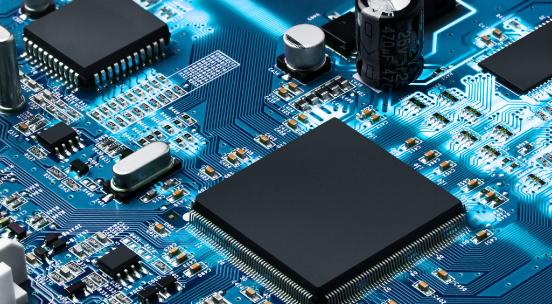
Comparative technical benchmark for cross-referencing sensor protocol capabilities against target industrial deployment sectors.
| Operating Application | Recommended Sensing Technology | Primary Interface Protocol | Key Performance & Durability Metrics |
|---|---|---|---|
| Mobile Hydraulic Machines | Magnetostrictive / Submersible Hydrostatic | SAE J1939 / CANopen | IP69K sealing, 10-30V DC input range, dither control capability |
| Chemical Processing Tanks | Guided Wave Radar / PTFE Ultrasonic | 4-20mA HART / RS-485 Modbus | Corrosive fluid immunity, ATEX/IECEx explosion-proof rating |
| Agricultural & Fuel Tanks | Capacitive / Floating Reed Array | Analog 0-5V / Discrete Fieldbus I/O | Slosh compensation software filtering, low power consumption |
| Offshore Oil & Marine Vessels | Heavy-Duty Hydrostatic Pressure Probe | NMEA 2000 / Ethernet/IP | Marine grade 316L stainless steel, surge protection modules |
| Industrial Power Generators | Integrated Level & Temp Combination Sensor | Profinet / Modbus TCP | Dual-parameter sensing, solid-state output reliability |
Key Strategic Shifts Reshaping Global Level Sensor Sourcing and OEM Manufacturing Partnerships
Traditional level transmitters are evolving into smart edge nodes. Next-generation Chinese exporters are integrating low-power ARM microcontrollers directly into the sensor head. This enables local predictive maintenance routines, real-time fluid contamination diagnosis, and self-calibration prior to transmitting telemetry back to cloud SCADA platforms.
As industrial machines become increasingly autonomous, bandwidth demands on internal communication buses have surged. Procurement teams are moving away from legacy point-to-point analog wiring toward CAN FD (Flexible Data-rate) and Automotive Ethernet interfaces. This transition allows high-speed multi-sensor telemetry transmission across a single twisted pair line.
Global OEMs now prioritize suppliers capable of offering rapid modular hardware tweaks. Rather than purchasing rigid off-the-shelf catalog models, buyers select partners offering custom stem lengths, tailored connector wire harnesses (such as Deutsch or M12 interfaces), and pre-programmed custom CANbus software message maps.
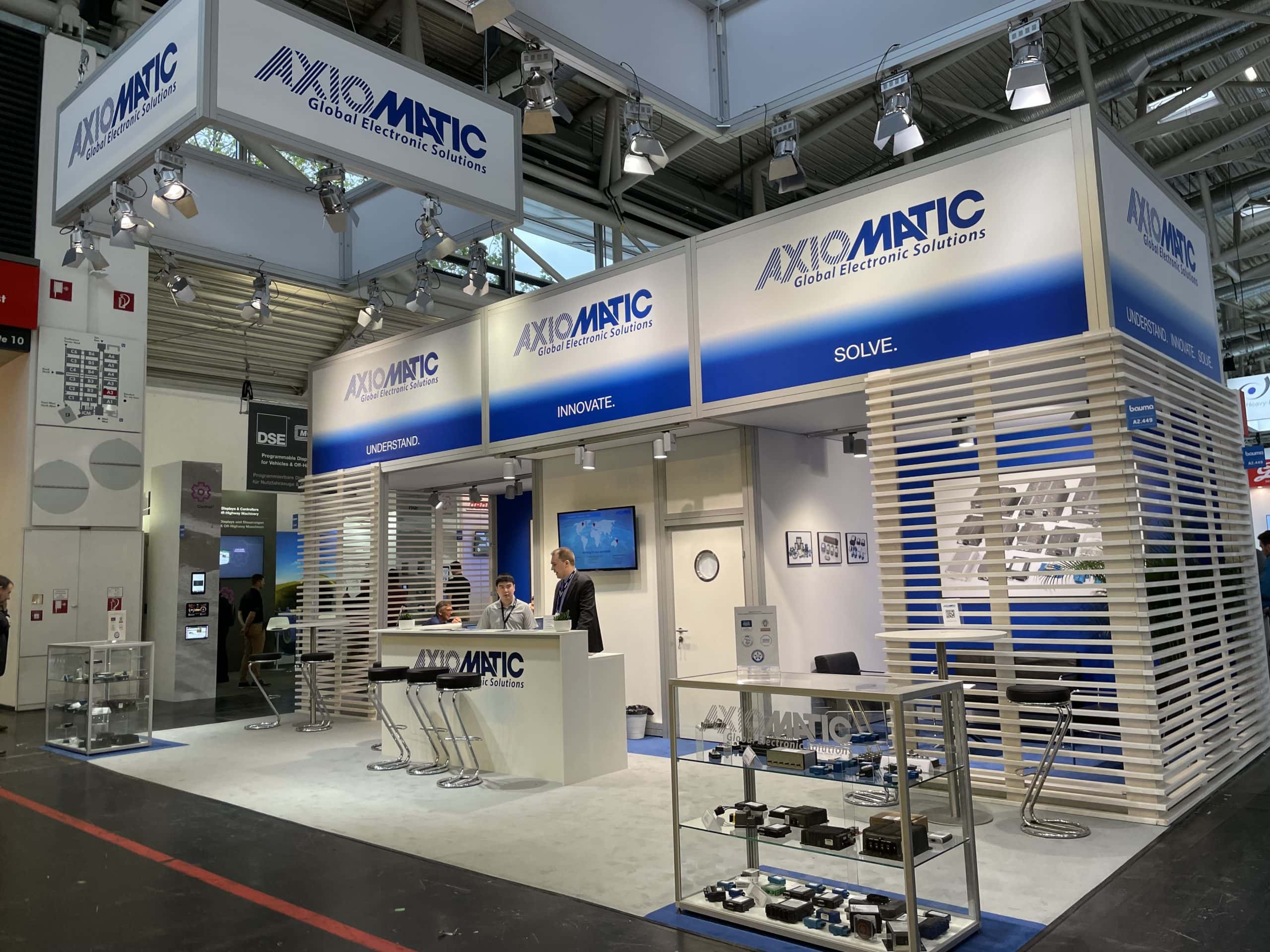
Partnering with premier exporters guarantees complete supply chain transparency and rigorous international certification. Our production ecosystem operates under strict quality management protocols, ensuring zero-defect delivery for critical control operations.

Expert Guidance on Sensor Specification, Protocol Translation, and Procurement Logistics
Selection depends primarily on the fluid medium, tank geometry, and ambient environmental conditions. Hydrostatic level transmitters measure head pressure at the bottom of a vessel, making them highly effective for deep wells, pressurized tanks, and fluids prone to surface foam or vapor layers. Conversely, non-contact ultrasonic level sensors transmit high-frequency sound waves from above the media, preventing cross-contamination in aggressive acids or food-grade storage. However, ultrasonic sensors can experience measurement attenuation in high-vacuum environments or when heavy foam absorbs acoustic pulse signals.
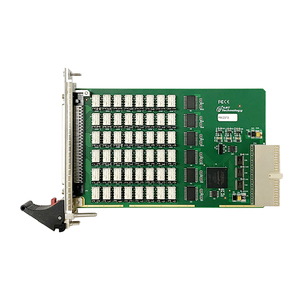
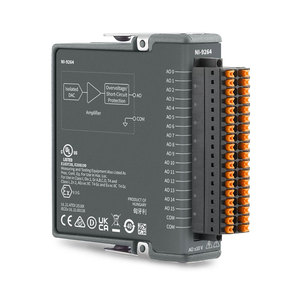
To bridge legacy 4-20mA or 0-10V analog sensor outputs into modern SAE J1939 or CANopen fieldbus systems, high-precision analog-to-CAN input modules (such as multi-channel discrete I/O signal converters) are deployed. These controllers digitize incoming analog voltage/current signals, execute internal software scaling, and broadcast formatted CAN messages over the vehicle network bus. This eliminates long analog cable runs that are susceptible to voltage drop and electromagnetic noise induced by motor drives and heavy alternators.
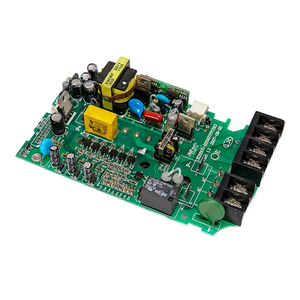
High-tier Chinese exporters incorporate dual-stage stabilization strategies combining physical mechanical isolation with digital software filtering. Mechanically, sensitive piezo-resistive elements and printed circuit board assemblies (PCBAs) are encapsulated in high-grade potting compounds within heavy-duty stainless steel housings. Software-wise, embedded DSP microcontrollers utilize moving average or Kalman filtering algorithms to filter out high-frequency mechanical vibration spikes and liquid sloshing waveforms, delivering a stable level reading to the machine operator's display console.
Standard modular modifications—such as adjusting physical stem lengths, changing thread pitch sizes, or customizing cable connector pigtails—typically require 2 to 4 weeks for initial prototype production. Custom electronic hardware co-development or specialized firmware programming (e.g., custom CAN bus PGN mapping, unique baud rate configuration, or custom dither parameters) generally involves a 6 to 10-week validation cycle. This cycle includes functional bench verification, thermal chamber testing, EMC screening, and pre-production prototype sign-off before full-scale manufacturing.
Industrial buyers should strictly require factory calibration certificates, ISO 9001 compliance documentation, CE certificates of conformity, RoHS/REACH material declarations, and IP-rating validation test reports. For marine or explosive environment deployments, specialized DNV-GL or ATEX/IECEx certifications must be provided. Ensuring that your supplier provides full lot traceability and material test reports (MTRs) for wetted metal components guarantees compliance with international safety and trade standards.
Connect with our senior technical engineering team to discuss custom OEM sensor developments, protocol gateway integrations, or to request a full commercial catalog.