


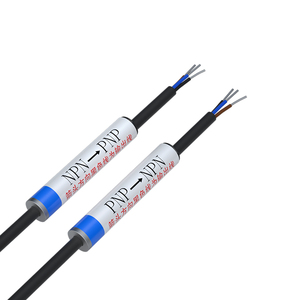
Jingjiake NPN to PNP Signal Converter for Industrial Automation 24V Rated Voltage Sensor Conversion
- 24V DC Rated Industrial Input
- High-Speed Optical Isolation
- NPN Sink to PNP Source Logic
Explore our core engineering portfolio certified for industrial automation, off-highway machinery, building controls, telematics, and heavy vehicle applications.
In modern automated industrial complexes, smart electrical grids, off-highway heavy machinery, and defense telematics systems, signal converters act as the fundamental nervous system bridge. As industrial plants transition toward Industry 4.0, smart sensors operating across heterogeneous signal standards—ranging from low-mV thermocouples, 0-10V analog voltages, and 4-20mA current loops to complex digital fieldbuses (CANopen, SAE J1939, RS-485 Modbus, and Automotive Ethernet)—must interoperate reliably in environments plagued by extreme electromagnetic interference (EMI), common-mode ground noise, voltage spikes, and physical shock.
Industrial facility setups frequently span vast physical footprints. When connecting field sensors located hundreds of meters away from a central Programmable Logic Controller (PLC) or Electronic Control Unit (ECU), potential differences inevitably build up between ground points. These ground loops introduce severe signal errors, DC offsets, and destructive common-mode voltage surges capable of frying sensitive microcontrollers.
To mitigate these failure vectors, modern signal isolators and converters utilize galvanic 3-way isolation (separating Input, Output, and Power Supply up to 2.5kV RMS or 3kV DC). By eliminating direct electrical conduction paths using optical couplers, capacitive silicon isolation barriers, or planar magnetic transformers, converters suppress ground loop currents and maintain a high Common-Mode Rejection Ratio (CMRR > 120 dB).
Optoelectronic and capacitive isolation barriers preventing ground loops, protecting control electronics against destructive transient voltage spikes up to 3000V DC.
Seamless conversion between analog sensor standards (0-5V, 4-20mA), sensor logic (NPN/PNP), and high-speed digital networks (CANbus, Modbus RTU, RF, Optical SDI).
High input impedance combined with low-drift operational amplifiers guarantees negligible signal loading on delicate industrial sensors and transducers.
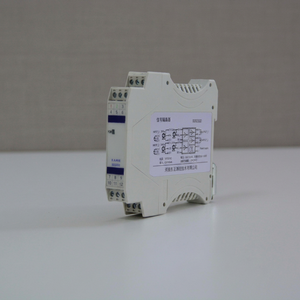
A recurring engineering hurdle during machine retrofit and OEM assembly is signal incompatibility between Asian-standard (predominantly NPN / sinking logic) and European/North American-standard (predominantly PNP / sourcing logic) sensors and PLCs. Utilizing solid-state NPN-to-PNP signal converters—such as the Jingjiake 24V Sensor Conversion Module—ensures clean logic level switching, sub-microsecond pulse response, and eliminates the mechanical contact wear and propagation delays associated with traditional interposing relays.
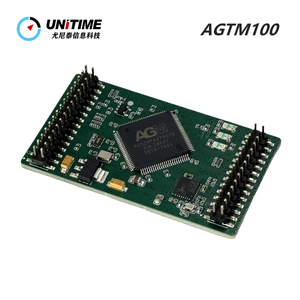
In power distribution grids, sub-stations, and telecommunication infrastructure, timestamping events with microsecond precision is vital for fault analysis and phase alignment. Products like the UNITIME AGTM100 GNSS Time Signal Converter convert satellite GNSS clock data into legacy IRIG B-Code DC signals and sub-microsecond 1PPS (Pulse Per Second) outputs, ensuring legacy power plant control panels stay perfectly synchronized with modern satellite reference clocks.
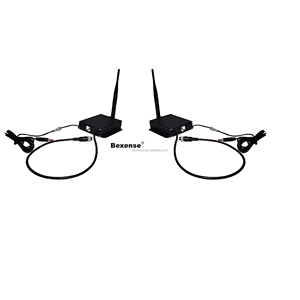
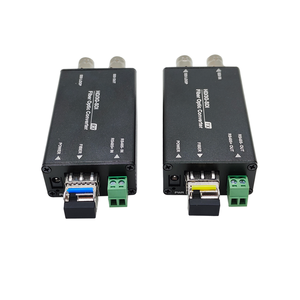
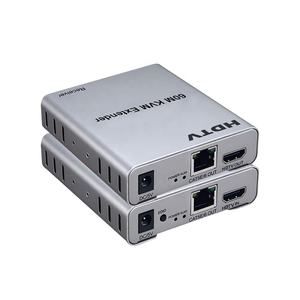
Modern commercial heavy trucks, mining haulers, and broadcasting systems rely heavily on high-bandwidth signal extension. Standard copper coaxial cable severely degrades 3G-SDI video signals over long runs. Miniaturized 3G-SDI optical converters leverage single-mode fiber to transmit uncompressed 1080P video across distances exceeding 20 kilometers without latency or electromagnetic pickup. Concurrently, rugged IP68 2.4GHz wireless video signal converters eliminate wear-and-tear wiring harnesses across truck-trailer hitches, providing instant, clear visual telemetry to operators in extreme environmental conditions.
Compare technical parameters across major product categories to match exact system requirements.
| Converter Category | Primary Input Signal | Converted Output Signal | Galvanic Isolation | Operating Temp Range | Typical Target Application |
|---|---|---|---|---|---|
| NPN to PNP Logic Converter | NPN Open Collector / Sinking | PNP Sourcing 24V DC | 1.5kV Optical | -25°C to +70°C | PLC input matching, assembly lines |
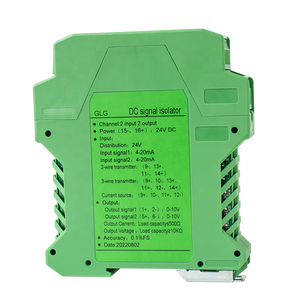
| DIN-Rail Analog Isolator | 0-10V, 0-5V, 4-20mA (Dual Input) | 0-10V, 4-20mA (Quad Output) | 2.5kV RMS 3-Way | -40°C to +85°C | Process control, SCADA instrumentation |
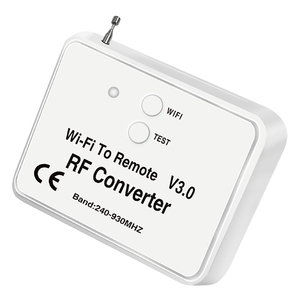
| WiFi to RF Remote Bridge | 2.4GHz IEEE 802.11 b/g/n | Multi-Freq RF (315/433MHz) | Internal Surge Suppressed | -10°C to +60°C | Smart home automation, gate telemetry |
| Rugged Vehicle Video Link | CVBS / NTSC / PAL Video | 2.4GHz Encrypted Wireless | IP68 Waterproof Shell | -40°C to +85°C | Heavy truck reversing, haulers, cranes |
| 3G-SDI Video Optical Converter | SMPTE 424M 3G-SDI (Coax) | Single-mode Optical Fiber | Complete Electrical Isolation | -20°C to +75°C | Long-range HD monitoring, broadcast video |
| GNSS Time Converter Module | GPS / GLONASS L1 Signal | IRIG B-Code DC / 1PPS Pulse | 2kV Surge Protection | -40°C to +85°C | Power substation clock sync, smart grid |
| Analog to RS485 Transmitter | 4-20mA / 0-10V Analog | RS-485 Modbus RTU Digital | 3kV DC Isolation | -40°C to +85°C | Distributed sensor networks, IoT gateways |
Key technological shifts procurement managers and systems architects must evaluate when specifying next-generation signal converters.
Modern signal converters are evolving beyond passive analog conditioning. Today's high-tier modules incorporate embedded microcontrollers capable of real-time loop fault detection, wire-break monitoring, thermal self-diagnostics, and predictive warning alerts sent directly over fieldbus networks.
Control cabinet real estate comes at a premium. Sourcing trends prioritize slim-profile enclosures (12.5mm or 6.2mm widths) offering multi-channel isolation (2 inputs / 4 outputs) to maximize panel packing density while maintaining strict thermal dissipation standards.
Demand for automotive and off-highway vehicle signal converters (trucks, agricultural harvesters, construction excavators) requires heavy-duty encapsulation. Fully potted resin enclosures, IP68 waterproofing, and resistance to 50G mechanical shocks are becoming standard procurement specs.
System integrators are moving away from single-function devices. Hybrid signal converters that accept physical analog inputs and output simultaneous analog current, RS-485 Modbus, and CANbus (SAE J1939) protocols eliminate extra gateway hardware and streamline inventory management.
Since 1991, our global engineering alliance—backed by ISO 9001:2015 certified manufacturing facilities in Canada and firmware development centers in Canada and Finland—has designed robust electronic control units, CANbus gateways, and signal converters engineered for machines operating in the world's most unforgiving environments.
We provide full-lifecycle OEM/ODM manufacturing, including custom firmware design, hardware prototyping, in-house electromagnetic compatibility (EMC) testing, and strict compliance with SAE International and CAN in Automation (CiA) standards.


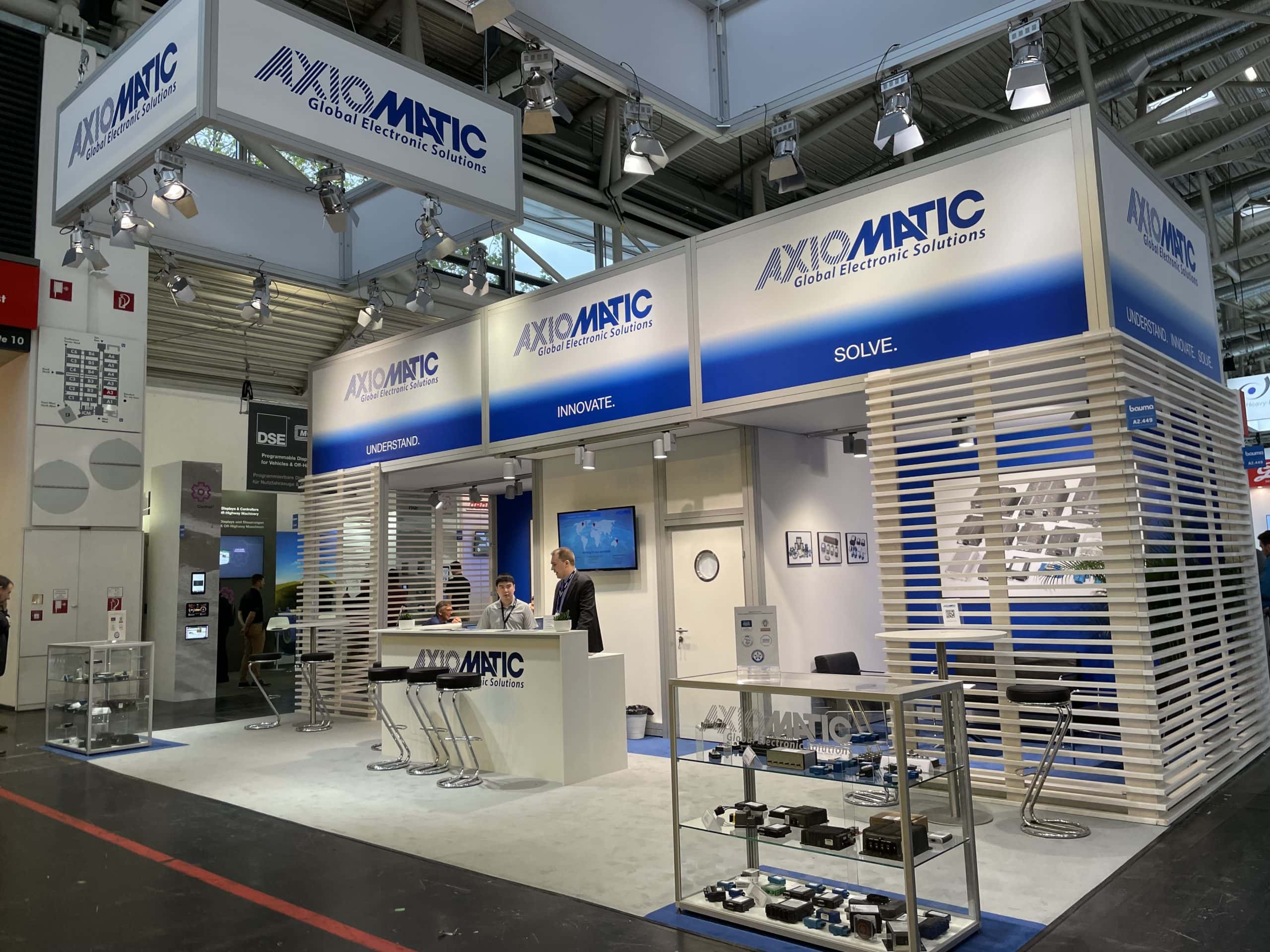
Our signal conversion and electronic control modules operate across critical infrastructure worldwide.




Expert answers to common engineering questions regarding signal isolators, protocol converters, and factory order workflows.
A signal isolator passes an electrical signal (e.g., 4-20mA input to 4-20mA output) while placing an absolute electrical (galvanic) barrier between the input and output to eliminate ground loops and voltage spikes. A signal converter changes the fundamental signal format itself—such as converting 0-10V DC analog voltage to RS-485 Modbus digital data, or shifting NPN sensor logic to PNP logic.
Industrial process loops frequently connect sensors mounted on grounded heavy machinery back to control panels powered from separate mains supplies. Ground potential differences introduce offset currents into 4-20mA loops, leading to measurement drift or micro-processor failure. Galvanic isolators block these ground loops while transmitting precise analog measurements via magnetic or optical coupling.
Yes. Our heavy-duty signal converters (such as our IP68 wireless video transmitters and CAN bus modules) feature potted polyurethane enclosures, wide extended operating temperatures (-40°C to +85°C), and full compliance with SAE J1113 shock/vibration and ISO 7637-2 electrical transient standards for automotive environments.
Absolutely. Our engineering teams in Canada and Finland provide end-to-end custom design services—including custom firmware mapping, specific connector harness customization, pre-set input/output scaling, and bespoke enclosure prototyping for original equipment manufacturers (OEMs).
When importing machinery manufactured in Asia (which standardizes on NPN sinking sensors) to North America or Europe (where PLCs mandate PNP sourcing inputs), rewiring sensors is costly. Solid-state NPN to PNP converters translate logic levels in real-time, preserving high-speed switching pulses without installing bulky mechanical relays.
Standard catalog models are stocked globally across our Canadian, US, European, and Australian distribution hubs for fast dispatch within 24 to 48 hours. Custom factory-programmed OEM batches typical carry short lead times of 2 to 4 weeks depending on batch volume and specific testing requirements.
Speak directly with our senior application engineers to receive technical datasheets, custom configuration options, and immediate wholesale pricing quotes.