- ISO 9001:2015 Certified Manufacturing — Canada
- Engineering Support Since 1991
Precision-engineered, high-efficiency power architectures validated for San Francisco's high-tech manufacturing, robotics, and industrial automation deployments.
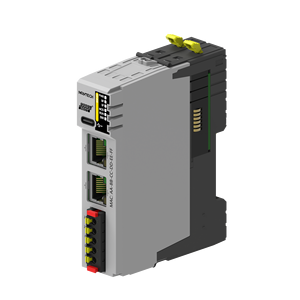
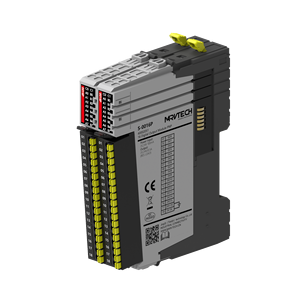
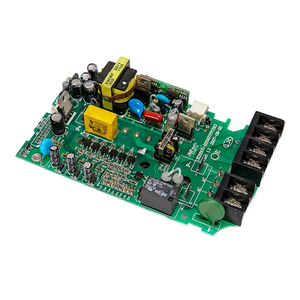
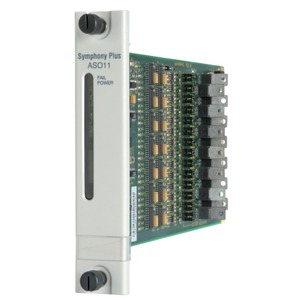
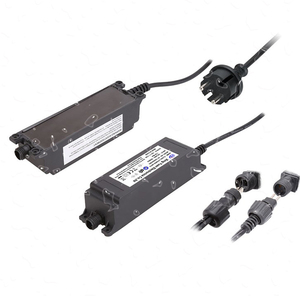
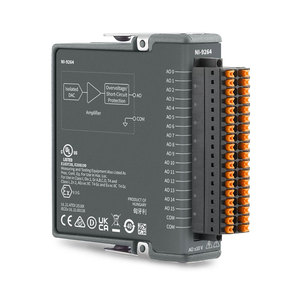
San Francisco and the broader Silicon Valley technology ecosystem represent the world's most concentrated hub of hardware innovation, artificial intelligence infrastructure, robotics, and clean energy technology. As electronic architectures advance toward higher power density and stricter thermal envelopes, the demand for high-efficiency, reliable, and compliant AC-DC Power Converter Modules has evolved from a standard commodity requirement into a critical design vector.
From autonomous vehicle charging hubs along the West Coast corridor to edge data centers in South San Francisco, engineering teams require power modules that deliver maximum continuous wattage within minimal physical footprints (W/in³). OEM designers cannot afford efficiency losses that yield parasitic heat buildup, nor can they risk field failures caused by poor power factor correction (PFC) or substandard electromagnetic compatibility (EMC).
Leveraging Wide Bandgap (WBG) semiconductors to achieve ultra-compact footprints essential for mobile robotics, rack-mount server trays, and space-constrained industrial control boxes.
Full adherence to UL 62368-1 safety standards, CE compliance, Class II double-insulation, and galvanic isolation exceeding 3000VAC for sensitive lab and industrial equipment.
Integration with CANopen, SAE J1939, PROFINET, and EtherNet/IP bus networks to enable real-time voltage telemetry, thermal reporting, and programmable output curves.
Converting utility single-phase (120V/240V AC) or three-phase (208V/480V AC) power into clean, regulated DC voltage rails (5V, 12V, 24V, 48V, or high-voltage 1000V DC vectors) demands complex multi-stage switching electronics. Understanding the internal topology of high-grade converter modules is essential for procurement leads and electrical engineers establishing bill-of-materials (BOM) specifications.
Modern electrical grids in California strictly enforce harmonic limits to prevent reactive power losses. Premium AC-DC converter modules utilize active boost PFC circuits to achieve power factor values exceeding 0.98. This ensures that current consumption drawn from the AC line tracks proportionally with the voltage waveform, minimizing Total Harmonic Distortion (THD < 5%) and satisfying California Energy Commission (CEC) efficiency tiers.
To eliminate high-frequency switching losses, leading AC-DC power supplies employ Zero Voltage Switching (ZVS) LLC resonant topologies. By switching internal MOSFETs/GaN FETs when voltage across the drain-source terminals is zero, thermal dissipation drops drastically. This allows for sealed IP67/IP68 potted conduction-cooled chassis designs that operate quietly without requiring failure-prone mechanical cooling fans.
In automated smart manufacturing facilities across the Bay Area, power converters are no longer isolated analog islands. Advanced modules incorporate digital signal processors (DSPs) communicating over industrial fieldbus networks (PMBus, CANbus, EtherNet/IP). Microcontrollers monitor real-time output current, input line sag, ambient heatsink temperatures, and component wear, triggering predictive maintenance alerts before system shut-downs occur.
| Converter Category | Input Voltage Window | Output Voltage Rails | Typical Efficiency | Primary SF Target Application |
|---|---|---|---|---|
| PCB-Mount Micro Modules | 85 - 264 VAC Universal | 3.3V, 5V, 12V, 24V DC | 84% - 89% | IoT edge sensors, smart building controllers, embedded logic. |
| Enclosed Industrial Chassis | 90 - 305 VAC Single Phase | 12V, 24V, 48V DC | 90% - 94% | Robotic arm controllers, factory PLC racks, automated sorting systems. |
| High-Power Modular Arrays | 3-Phase 208/480 VAC | 24V to 1000V DC DC Bus | 94% - 97% | EV fast-charging hubs, micro-grids, heavy energy storage systems. |
| Waterproof Sealed Class 2 | 100 - 277 VAC Universal | 5V to 36V DC Regulated | 88% - 93% | Outdoor Bay Area municipal lighting, maritime docks, solar hybrid systems. |
San Francisco’s unique economic landscape merges urban technology, green municipal energy initiatives, maritime transportation, and advanced bio-tech manufacturing. Standard off-the-shelf power supplies often fail when subjected to local ambient conditions and localized operational demands. Below are key regional application cases where specialized AC-DC converter modules deliver decisive performance advantages.
San Francisco leads the nation in autonomous vehicle testing and commercial robotaxi fleets. Charging infrastructure and fleet depot monitoring nodes require ruggedized AC-DC conversion modules capable of taking grid AC power and stepping it down cleanly to charge auxiliary 12V/24V control electronics, LIDAR calibration arrays, and communication gateways while withstanding continuous outdoor operation.
Deployments at the Port of San Francisco and surrounding Bay Area waterfronts expose electrical control boxes to high airborne salt content, coastal fog moisture, and severe temperature shifts. Sealed Class 2 waterproof AC-DC modules with conformal-coated PCB assemblies prevent corrosion, short-circuits, and salt-mist degradation in municipal marine lighting and crane monitoring systems.
Life science laboratories in South San Francisco demand ultra-clean power lines with sub-millivolt ripple noise for mass spectrometers, robotic liquid handlers, and gene sequencing platforms. Precision analog process power modules (such as the SPASO11 series) isolate sensitive measurement circuitry from line noise and voltage sags.
California's aggressive decarbonization mandates have accelerated the adoption of distributed solar micro-grids and battery energy storage systems (BESS). Hybrid MPPT inverter power control boards seamlessly manage power flow between AC utility feeds, solar PV panels, and battery storage banks to maintain 100% uptime for critical tech facilities.
As San Francisco transitions toward electrifying public transit (SFMTA), expanding smart grid metering, and deploying high-performance computing (HPC) nodes for AI research, three macro trends dominate power supply procurement in 2026 and beyond:
Combining 30+ years of industrial control expertise, ISO 9001 certified manufacturing, and responsive application engineering support across North America.
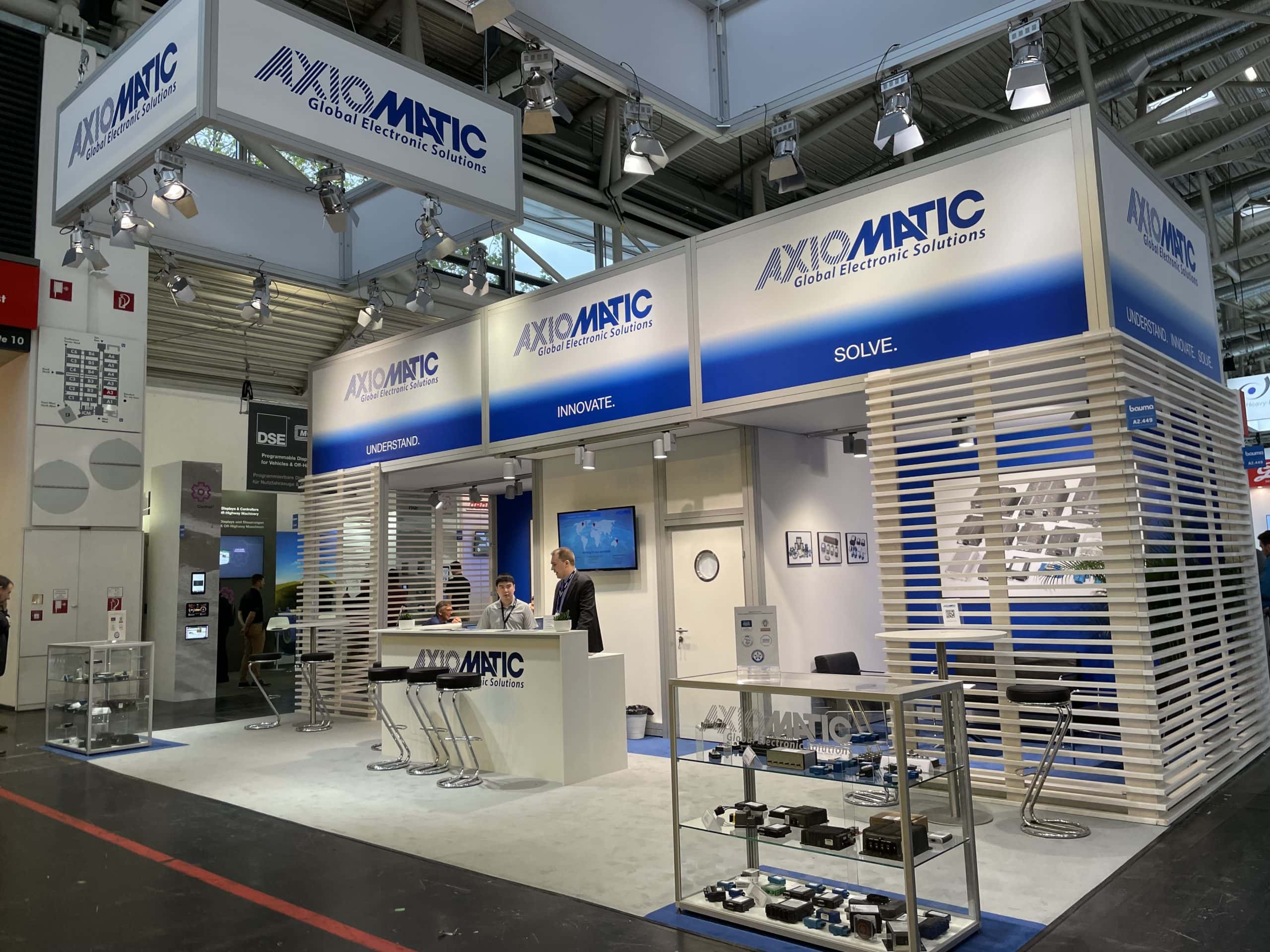
Since 1991, our engineering teams have designed and manufactured rugged electronic controls, AC-DC converter units, DC-DC power modules, and CANbus signal gateways built to endure extreme environmental stress. With design controls based in Canada, firmware teams in Canada and Finland, and dedicated sales and technical application contacts across the USA, we provide Bay Area engineers with direct access to design-level expertise.
Every power module undergoes extensive environmental testing, thermal cycling, and EMC validation within our ISO 9001:2015 certified facilities prior to volume delivery, eliminating integration risks for mission-critical builds.
 ISO 9001:2015 Certified Manufacturing
 CiA CAN in Automation Member
 SAE International Corporate Partner
Common questions answered for Bay Area supply chain managers, design engineers, and systems integrators evaluating AC-DC power supplies.
AC-DC power modules deployed in San Francisco must comply with North American safety standards including UL 62368-1 (for audio/video, information and communication technology equipment) or UL 508 / UL 61010-1 for industrial control panels. Additionally, products must comply with California Energy Commission (CEC) efficiency regulations and FCC Part 15 Class A or B electromagnetic interference standards.
San Francisco's high humidity and marine atmospheric conditions can cause moisture accumulation and corrosion on standard PCBs. For outdoor, marine, or non-climate-controlled enclosures, we recommend fully potted IP67/IP68 sealed Class 2 modules or units featuring conformal coatings compliant with IPC-CC-830 standards to eliminate dendritic growth and electrical shorting.
Yes. In addition to standard 5V, 12V, 24V, and 48V DC outputs, custom factory trim configurations, software-definable power curves, and specialized wiring harnesses are available for OEM applications. Our engineering team routinely collaborates with engineering teams to modify firmware, connector pinouts, and housing dimensions.
Standard catalogue evaluation units and prototype samples are typically dispatched within 3 to 5 business days from our North American distribution network. Volume production runs are scheduled with clear delivery timelines managed under our ISO 9001:2015 quality system, supported by inventory buffer programs for local OEM partners.
Fanless power converter modules rely on high-efficiency topologies (such as LLC resonant conversion) to minimize internal heat loss. Heat is transferred away from power semiconductors via high thermal conductivity potting compounds directly to the aluminum chassis baseplate, which acts as a conduction heatsink when mounted to an external metal enclosure wall.
Selected industrial power modules integrate with industrial fieldbus networks including CANopen, SAE J1939, EtherNet/IP, and PROFINET. This allows remote control systems to read real-time diagnostic parameters such as input/output voltage, load current, thermal warnings, and fault history logging.
Connect directly with our application engineering team to request datasheets, evaluate sample units, or discuss custom power conversion specifications tailored to your OEM machine architecture.