- ISO 9001:2015 Certified Manufacturing — Canada
- Engineering Support Since 1991
Precision-engineered automation accessories, CANbus gateways, power conditioning units, and signal modules validated for demanding Peruvian mining, energy, and heavy machinery deployments.
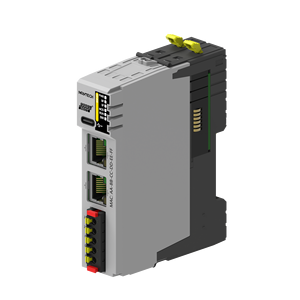
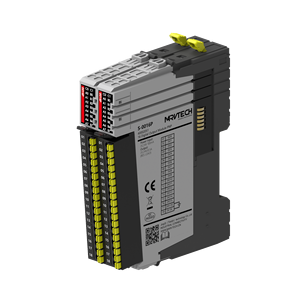
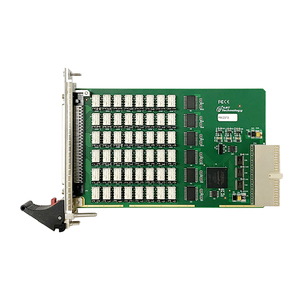
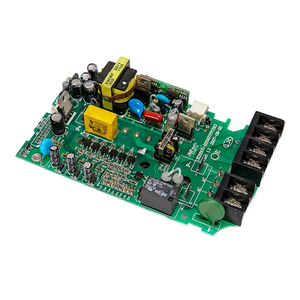
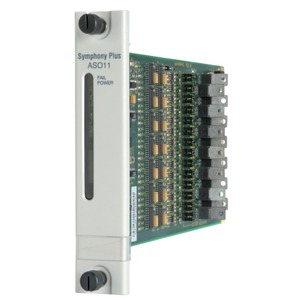
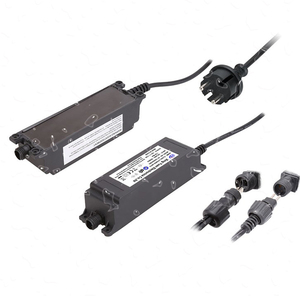
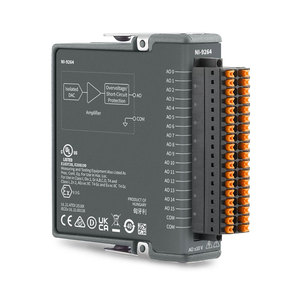
Modern heavy machinery, mining fleets, and industrial fluid management networks operating across South America—and specifically in the unique geography of Peru—demand specialized electronic sensing technologies. Machine control level sensors are no longer mere threshold switches; they serve as critical telemetry nodes within integrated CANbus (SAE J1939 and CANopen) automation ecosystems. From open-pit copper mines located over 4,500 meters above sea level to coastal port infrastructure and agricultural irrigation networks, high-precision liquid and solid level sensing underpins operational safety, environmental compliance, and machinery uptime.
Technical Insight for Peruvian Procurement: High-altitude deployment in regions such as Pasco, Junín, and Puno severely impacts conventional atmospheric-referenced hydrostatic sensors due to low barometric pressure. Our exported machine control level sensor platforms feature dynamic ambient pressure compensation and sealed ceramic piezoresistive diaphragms to guarantee ±0.1% accuracy regardless of altitude.
To assist Peruvian OEM engineers, mining system integrators, and industrial importers in selecting the ideal level control architecture, we evaluate the five primary physical sensing modalities deployed in working machinery:
Measures head pressure at container bases. Highly reliable for deep diesel tanks, hydraulic fluid reservoirs, and mine dewatering sumps. Equipped with 4-20mA or CANbus outputs.
Utilizes high-frequency electromagnetic pulses guided along a probe rod. Immune to dust, foam, thermal turbulence, and dielectric changes in aggressive flotation chemical tanks.
Pulsed acoustic level measurement ideal for open channels, slurry pits, and water reservoirs. Features automated temperature compensation for extreme outdoor diurnal ranges.
Detects capacitance variance between sensor electrode and vessel wall. Designed for compact machine oil sumps, hydraulic power units (HPUs), and coolant monitoring.
Solid-state level switches with zero moving parts. Ideal for point level detection, fluid contamination prevention, and low-lube shutoff safety in heavy earthmovers.
Converts raw sensor signals into standardized SAE J1939 or CANopen PGNs, transmitting directly to vehicle ECUs, telematics gateways, and cab displays.
Peruvian industry is characterized by geography-specific operational challenges. Exported machine control level sensors and input/output modules must be engineered to perform across diverse biomes—from severe high-altitude freezing mines to humid tropical rivers and corrosive marine ports.
Mining operations in Southern and Central Peru represent one of the world's most aggressive operating environments for electronic components. Heavy haul trucks (such as CAT 797F or Komatsu 930E), hydraulic excavators, and drilling rigs operate continuously above 4,000 meters altitude.
In these locations, level sensors face constant mechanical shock (>50g), intense continuous vibration, wide diurnal temperature swings (-15°C at night to +25°C at solar peak), and atmospheric particulate contamination. Our machine control level sensors incorporate cast aluminum or 316L stainless steel enclosures sealed to IP68/IP69K standards, with potting compounds that protect internal electronic boards from condensation and thermal fatigue.


Peru's coastal desert strip relies on large-scale irrigation projects (such as Majes Siguas and Olmos) and industrial desalination plants serving agricultural exporters and coastal refineries. Level sensors installed in sea-water intake wells, brine storage tanks, and irrigation sluice gates are exposed to high salinity levels and airborne salt fog.
To resist galvanic corrosion and pitting, our factory supplies level transmitters with PVDF-coated probes, titanium diaphragms, and potted IP67 junction boxes. Integrated signal modules process level data over RS-485 Modbus RTU or 4-20mA loops to interface directly with regional telemetry infrastructure.
In the Loreto and Ucayali regions, inland waterways represent the primary logistics corridor for heavy machinery and bulk fuel transport. Barges, tugboats, and floating fuel depots rely on accurate fuel tank level monitoring to prevent engine stalling, manage ballast stability, and eliminate overflow risk in remote tropical rivers. Sensors must operate continuously in 98% relative humidity without dielectric drift or signal leakage.
Peruvian industrial equipment importers, fleet owners, and OEM machine builders are rapidly modernizing their machine architectures to align with four main global trends:
1. Accelerated Adoption of "Minería 4.0" (Smart Mining): Major Peruvian mining houses are retrofitting aging haulage and processing equipment with CANbus smart sensors. By integrating J1939 level sensors into centralized telematics units, mine control centers in Lima can monitor real-time diesel fuel burn, hydraulic fluid health, and coolant levels across remote sites in real-time.
2. Mandatory Environmental Protection Controls: Regulatory oversight by agencies such as OSINERGMIN and MINAM requires continuous monitoring of chemical reagents (such as sodium cyanide and xanthates used in gold/copper recovery) and fuel storage tanks. Dual-redundant level switches with automated safety shutoff valves are now mandatory on newly imported mining process modules.
3. Transition from Analog to Digital Vehicle Networks (CAN FD & Ethernet): Modern agricultural tractors (in Ica and La Libertad) and mining haulers are replacing legacy point-to-point analog wiring with robust multiplexed CAN networks. Factory exporters now supply level sensors with direct J1939 messages, reducing cabling weight, installation time, and potential failure points.
The following engineering data table outlines recommended level monitoring hardware specifications mapped to typical Peruvian industrial applications:
| Application Sector | Recommended Sensor Type | Communication Protocol | Ingress Rating | Key Performance Specification |
|---|---|---|---|---|
| Andean Haul Truck Hydraulic Tank | Continuous Capacitive / Hydrostatic | SAE J1939 / CANopen | IP68 / IP69K | 50g Shock rating, -40°C to +85°C Operating limit |
| Mineral Flotation Slurry Pit | Guided Wave Radar (GWR) | 4-20mA HART / Modbus RTU | IP67 / NEMA 4X | Immune to heavy foam build-up, 316L SS Wetted parts |
| Coastal Irrigation Sluice Gate | Non-Contact Ultrasonic | RS-485 / 0-10V Analog | IP67 | Integrated solar power rail, Automatic temperature offset |
| River Barge Fuel Tank Telematics | Multi-Point Reed / Piezoresistive | CANbus / Modbus RTU | IP68 Submersible | Dual-seal intrinsically safe rating, Density compensation |
| Stationary Diesel Generator Set | Optical Refractive Switch | Solid State PNP/NPN | IP67 | Instant low-fuel warning, Compact M12 connector fitting |
With over three decades of harsh-environment control engineering (established 1991), our organization provides Peruvian OEMs and system integrators with world-class design control, robust manufacturing, and dedicated engineering support.
All exported machine control electronics, level signal conditioners, valve drivers, and power conversion modules are engineered and manufactured under an ISO 9001:2015 certified quality management system in Canada and Europe. As active corporate members of CAN in Automation (CiA) and SAE International, our hardware fully complies with international protocol standards, ensuring seamless plug-and-play interoperability with global machine brands including Caterpillar, Komatsu, Volvo, and John Deere.
At altitudes above 4,000 meters (such as Cerro de Pasco), ambient atmospheric pressure drops significantly (down to ~60 kPa compared to 101.3 kPa at sea level). Uncompensated gauge-pressure sensors will register false level readings. Our machine control level sensors intended for Peru utilize either absolute pressure sensors with sealed reference chambers or differential barometric compensation lines built into the shielded cable assembly to ensure perfect accuracy.
Yes. Our machine control level transmitters and signal conversion modules native support SAE J1939 and CANopen protocols. They transmit configurable Parameter Group Numbers (PGNs) for liquid level, high/low threshold alerts, temperature, and sensor diagnostic status directly to the machine's primary ECU or telematics gateway.
We provide full export documentation support for Peruvian customs clearance via Callao Port or Jorge Chávez International Airport (Lima). All shipments include standard commercial invoices, packing lists, Certificate of Origin, HS code classification (typically HS 9026.10 or HS 8537.10), and ISO 9001 quality compliance certificates.
We strongly recommend IP68 (continuous immersion under pressure) or IP69K (protection against high-pressure, high-temperature steam cleaning). Mine washing procedures in regions like Huancayo and Arequipa use severe pressure washing that easily breaches standard IP65 enclosures.
Yes. Our in-house software engineering teams in Canada and Finland provide custom firmware development. We can pre-program custom fluid density lookup tables, sensor response damping algorithms for sloshing tanks, and specific CAN message structures prior to export, reducing setup effort for Peruvian system integrators.
Absolutely. All exported electronic controllers, signal converters, and level monitoring modules undergo rigorous Electromagnetic Compatibility (EMC) testing. They meet stringent CISPR and ISO vehicle transient immunity standards to prevent interference from heavy electric motors, alternators, or radio transceivers.
Contact our application engineering team today to discuss technical specifications, receive factory direct pricing, or request custom OEM development for your machinery fleet.