- ISO 9001:2015 Certified Manufacturing — Canada
- Engineering Support Since 1991
Deploying fieldbus-connected controllers, solid-state output modules, and precision voltage supplies built for harsh environmental conditions across New England’s industrial and marine infrastructure.
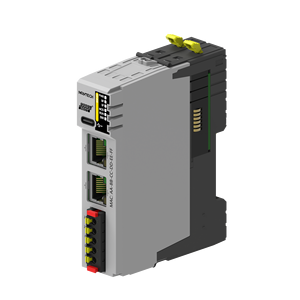
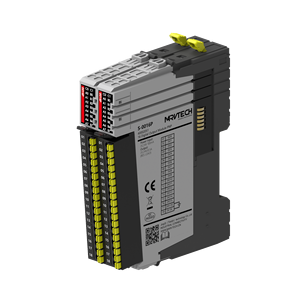
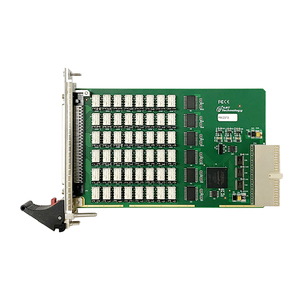
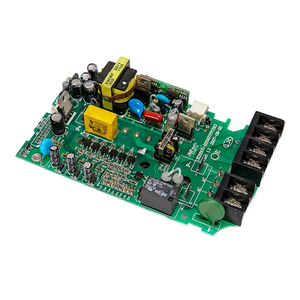
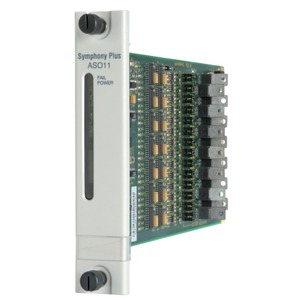
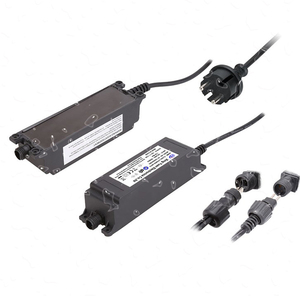
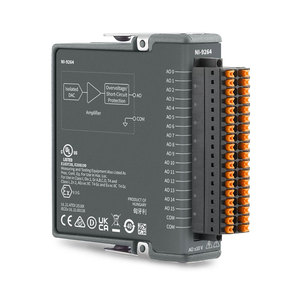
As automated machinery, maritime transport, civil infrastructure, and life science manufacturing continue to evolve in Greater Boston and New England, the demand for high-reliability machine control level sensors and embedded control electronics has reached unprecedented heights. Modern liquid and bulk solid level sensing requires far more than basic threshold detection; it demands seamless integration into CANbus (SAE J1939, CANopen) architectures, active thermal drift compensation, severe EMI/RFI suppression, and total immunity to corrosive saltwater atmospheric conditions.
In heavy off-highway equipment, marine vessels, and industrial processing tanks, level sensors operate under constant kinetic disturbance, severe vibration, and volatile thermal swings. Precision machine control level sensing relies on five primary physical transduction principles, each tailored to specific operational demands:
When measuring fluid levels in coastal dredging vessels or saltwater ballast tanks in the Port of Boston, raw hydrostatic pressure readings ($P$) must be dynamically adjusted for fluid density fluctuations caused by temperature ($T$) and salinity ($S$). Standard level measurement formulas fail to account for ambient density drift:
Corrected Height (h) = P / (ρ(T, S) × g)
Where ρ(T, S) = ρ0 × [1 - β(T - T0) + γ(S - S0)]
Axiomatic machine controllers process raw analog transducer current (4–20mA) or CANbus input and apply multi-point calibration tables directly within embedded firmware, outputting real-time, density-compensated level measurements straight to the machine control network.
Greater Boston represents a unique nexus of oceanic engineering, cutting-edge robotics along the Route 128 tech corridor, municipal civil mega-projects, and intensive bio-pharmaceutical manufacturing. Custom machine control level solutions are tailored specifically to these distinct regional applications.
From tugboats and commercial ferries operating out of Rowes Wharf to offshore dredging machinery maintaining navigational channels, level sensors must endure salt-spray corrosion, continuous rolling motion, and submersion pressures. Our IP69K-rated, stainless steel level sensors and CAN-bus gateways transmit engine oil, ballast, and bilge water levels directly to central bridge telemetry without signal loss caused by marine interference.
The technological corridor surrounding Waltham, Burlington, and Cambridge is home to leading autonomous mobile robot (AMR) manufacturers and heavy equipment innovators. Compact J1939 level sensing modules provide ultra-precise hydraulic fluid and cooling loop diagnostics for next-generation electric excavators, autonomous snow-clearing fleets, and robotic material handlers built for rugged New England winters.
Pharmaceutical cleanrooms and bio-tech facilities require ultra-pure liquid chemical storage level telemetry. Non-contact ultrasonic sensors combined with SPASO11 precise analog process control modules maintain accurate chemical dosing and bioreactor liquid management with zero risk of fluid contamination or electromagnetic drift.
Managing winter salt brine distribution, highway maintenance hydraulics, and municipal drainage pumps like Deer Island Wastewater Treatment Plant demands bulletproof telemetry. Our custom-programmed I/O expansion modules monitor liquid level thresholds in harsh sub-zero conditions, preventing system freezes and dry-pump damage.
Original Equipment Manufacturers (OEMs) and system integrators in Massachusetts are facing unprecedented shifts in regulatory compliance, electrification, and intelligent telemetry.
With Massachusetts targeting stringent greenhouse gas reduction goals, heavy equipment fleets are moving toward hybrid and battery-electric drivetrains. Modern level sensors must now interface directly with hybrid battery liquid-cooling loops, requiring isolation resistance up to 3kV DC and microsecond fault notification over Automotive Ethernet or CAN FD networks.
Environmental protection regulations across New England mandate exact monitoring of Diesel Exhaust Fluid (DEF/AdBlue) and fuel levels. Integrated level-quality-temperature sensors provide multi-variable feedback on a single CAN bus frame, simplifying harness routing and reducing weight on compact machinery.
Boston’s high-tech engineering ecosystem is rapidly adopting predictive analytics. Modern level controllers incorporate edge processing to evaluate fluid sloshing frequency, filter clogging resistance, and fluid degradation in real-time before mechanical failures occur on job sites.
Compare core sensor paradigms, output protocols, and environmental ratings to select the ideal hardware stack for your Boston project.
| Sensing Technology | Primary Interface Protocol | Operating Temp Range | Ingress / Shock Protection | Ideal Boston Application Scenario |
|---|---|---|---|---|
| Magnetostrictive Continuous Level | SAE J1939 / CANopen | -40°C to +105°C | IP69K / 50g Shock | Heavy Excavator Hydraulic Oil & Fuel Tanks |
| Guided Wave Radar (TDR) | 4-20mA / Modbus RTU | -50°C to +150°C | IP68 / Vibration Resistant | Marine Saltwater Bilge & Ballast Monitoring |
| Non-Contact Ultrasonic | Analog 0-10V / PNP Output | -30°C to +70°C | IP67 NEMA 4X | Cambridge Biotech Chemical & Pure Water Vessels |
| Hydrostatic Pressure Transmitter | Frequency / CANbus Gateway | -20°C to +80°C | Submersible 200m IP68 | Deer Island Wastewater & Drainage Telemetry |
| Capacitive Multi-Point Switch | Solid State / Profinet Fieldbus | -40°C to +85°C | IP67 High ESD Shielded | Automated Lubrication Systems on Port Cranes |
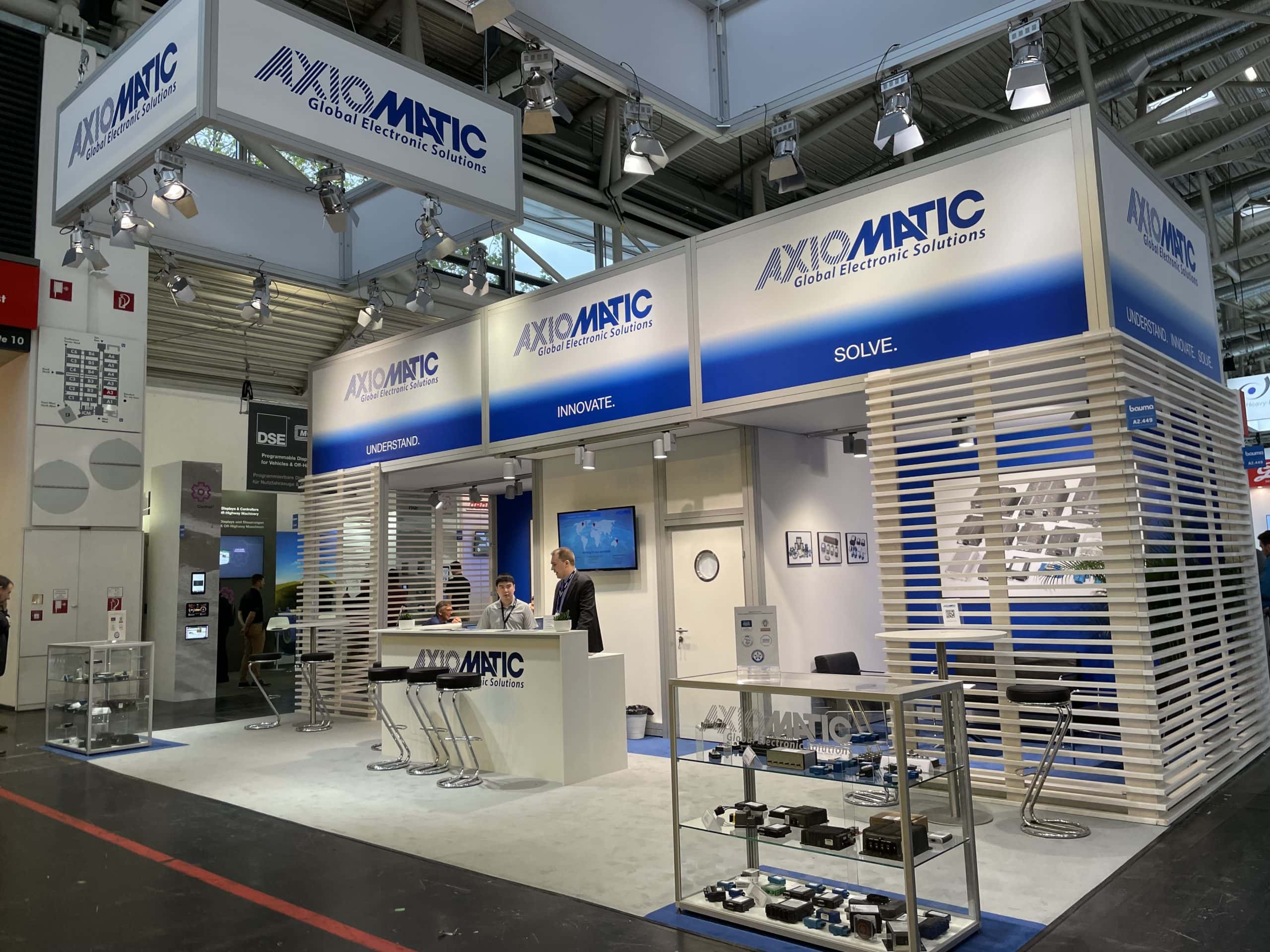
Since 1991, Axiomatic Technologies has been an international leader in ruggged electronic controls, power management units, and level telemetry controllers for harsh operating environments. Headquartered with ISO 9001:2015 certified manufacturing facilities in Canada, along with R&D and firmware development teams in Canada and Finland, and global offices in the USA and Australia, we provide unmatched design mastery.
Our level sensors and controller modules are validated for operation down to -40°C (-40°F). Enclosures feature potted electronics, thermal-drift-compensated microcontrollers, and sealed IP67/IP69K Deutsch or M12 connectors that prevent moisture ingress during rapid freezing and thawing cycles common in New England marine and highway environments.
Yes. Axiomatic manufactures protocol converters, signal conditioners, and CAN gateways that bridge analog level sensors (4-20mA, 0-5V, resistive float) to modern SAE J1939, CANopen, Modbus RTU/TCP, or Profinet networks, preserving existing electrical architecture while adding fieldbus communication.
For standard catalogue products, stock is serviced rapidly across North America. For custom OEM firmware configurations or specialized hardware modifications, our design teams in Canada and Michigan provide functional prototypes in a fraction of typical industry lead times, backed by full validation testing.
Absolutly. Sensor housings utilize anodized aluminum, 316L stainless steel, or engineered chemical-resistant polymers certified under ASTM B117 salt spray standards, ensuring decades of service in Boston Harbor or chemical processing facilities.
Yes. Our application engineering team directly supports North American customers with wiring harness design, CAN dictionary configuration (.DBC / .EDS files), and on-site or remote system commissioning.
Share your machine specifications, CANbus network requirements, or environmental targets with our engineering team. We will analyze your architecture and recommend the optimal hardware solution.