


Comprehensive Whitepaper: Pressure Sensor Manufacturers & Procurement Architecture in the Philippines
In the rapidly evolving industrial ecosystem of Southeast Asia, selecting the right partner among global pressure sensor manufacturers and regional suppliers in the Philippines has become a critical strategic decision. Pressure sensors—ranging from strain-gauge transducers and piezoresistive MEMS devices to heavy-duty hydraulic transmitters and CANbus integrated sensing modules—form the backbone of modern automated control systems. Whether monitoring high-pressure steam loops in geothermal power generating facilities in Leyte, measuring subsea hydraulic lines off the coast of Subic, managing food slurry pressures in Mindanao agricultural processing plants, or controlling pneumatic lines in Cavite semiconductor fabrication plants, high-reliability pressure measurement is indispensable.
This comprehensive technical guide evaluates the engineering parameters, localization challenges, protocol integration frameworks, and procurement best practices for industrial pressure sensors within the Philippine market. Backed by over three decades of harsh-environment control engineering, ISO 9001:2015 certified manufacturing, and extensive field expertise across off-highway, maritime, and process automation industries, this paper provides design engineers, systems integrators, and procurement directors with the information gain necessary to optimize their machine architectures.
1. Physical Principles & Transducer Technologies
To understand the selection criteria for pressure sensors, one must evaluate the core sensing element technologies employed by leading pressure sensor manufacturers:
- Piezoresistive Strain Gauge Sensors: Piezoresistive micro-machined silicon elements mounted on a flexible diaphragm undergo changes in electrical resistance when subjected to mechanical strain. Silicon strain gauges offer ultra-high sensitivity and excellent transient response times. However, for harsh liquid media, media-isolated isolated diaphragms (316L stainless steel or Hastelloy C-276) filled with silicone oil transfer pressure to the silicon die, providing robust corrosion resistance.
- Thin-Film Sputtered Pressure Transducers: Sputtered thin-film sensors feature inorganic insulation and strain gauge metallic films sputtered directly onto a stainless steel diaphragm at a molecular level. This eliminates adhesive bonding layers, preventing creep and signal drift over long operating lifespans. They are particularly suited for high-pressure hydraulic circuits up to 2,000 bar (29,000 PSI) in heavy excavators, agricultural tractors, and mining drills.
- Capacitive Ceramic Pressure Sensors: Utilizing a ceramic measuring cell (Al2O3), capacitive pressure sensors measure capacitance changes between a movable measuring electrode on the ceramic diaphragm and a fixed electrode on the substrate. Ceramic cells excel in aggressive chemical environments, wastewater slurry handling, and low-pressure gauge measurements due to their extreme hardness and chemical inertness.
2. Localized Industrial Application Scenarios in the Philippines
The Philippines presents unique environmental and operational conditions that demand specific engineering adaptations. Operating high-precision sensors in tropical maritime climates requires protection against high atmospheric humidity, elevated ambient temperatures, airborne saline mist, and frequent electrical grid fluctuations. Below are key regional application sectors:
A. Geothermal Power Generation & Thermal Energy Facilities (Leyte, Tiwi, MakBan)
The Philippines is one of the world's top producers of geothermal energy. Geothermal power extraction involves handling high-temperature geothermal brine laden with dissolved hydrogen sulfide (H2S), silica, and carbonates under high pressure. Pressure transducers deployed in steam separators, turbine inlet valves, and reinjection wellhead monitoring systems must feature NACE MR0175 compliant wet parts, hermetically sealed IP68 enclosures, and thermal isolation siphons to protect signal conditioning electronics from steam temperatures exceeding 180°C.
B. Semiconductor & Electronics Assembly Cleanrooms (CALABARZON, Laguna, Baguio EPZA)
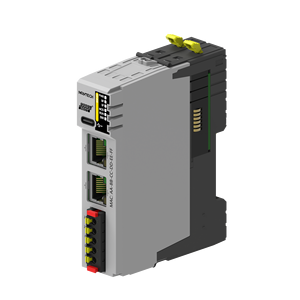
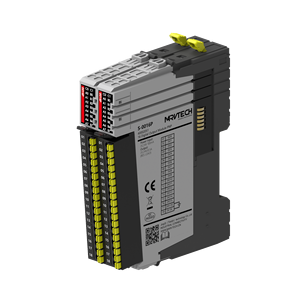
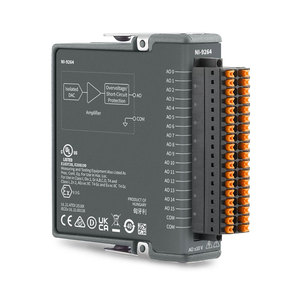
The Philippines’ semiconductor manufacturing hubs in Cavite, Laguna, Batangas, and Baguio demand high-purity pressure measurement for ultra-pure water (UPW) distribution, toxic gas delivery lines, and pneumatic picking machinery. Here, miniature differential pressure sensors with digital interfaces (EtherNet/IP, Modbus TCP, or Profinet) ensure precise cleanroom pressure cascading, preventing airborne particle infiltration into ISO Class 5 cleanrooms. Output modules like the PNP 8 Channel Input & Output Fieldbus Module enable direct coupling of pressure telemetry into distributed PLC control rings.
C. Maritime Infrastructure, Subic Bay Maintenance & Offshore Shipping
Shipbuilding yards in Subic Bay and Balamban, Cebu require marine-certified pressure transmitters for fuel oil storage tank gauging, ballast water control, hydraulic steering power units, and engine room lube oil monitoring. Sensors must be immune to severe low-frequency hull vibrations, possess Bureau Veritas (BV) or DNV type approvals, and utilize marine-grade 316L or titanium housings to prevent galvanic corrosion in seawater exposure.
D. Agricultural Processing, Sugar Mills & Palm Oil Refineries (Negros, Bukidnon, Davao)
In the agricultural heartlands of Mindanao and Negros, sugar cane crushing mills and palm oil processing facilities utilize high-viscosity fluid pumps and steam boiler systems. Pressure sensors fitted with flush diaphragm seals prevent viscous bagasse slurry or palm fruit pulp from clogging sensor ports. Direct integration with modular I/O controllers ensures real-time pressure regulation across multi-stage evaporation vessels.
E. Water Utility & Municipal Infrastructure (Metro Manila - Maynilad & Manila Water)
Urban water distribution networks across Metro Manila rely on automated pressure management to reduce non-revenue water (NRW) losses caused by pipe bursts under surge pressure. Battery-powered, low-power CANbus pressure transmitters installed in underground valve chambers transmit dynamic pressure data back to SCADA systems, enabling automated pump VFD speed modulation.