- ISO 9001:2015 Certified Manufacturing — Canada
- Engineering Support Since 1991
Engineered for high common-mode rejection, ground loop elimination, and seamless PLC/DCS integration across Indonesian processing plants and heavy industries.
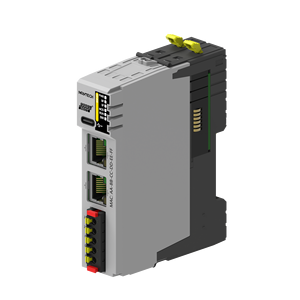
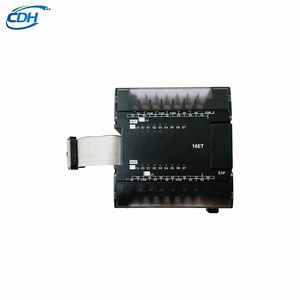
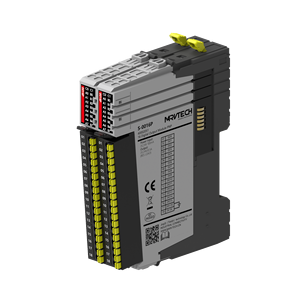
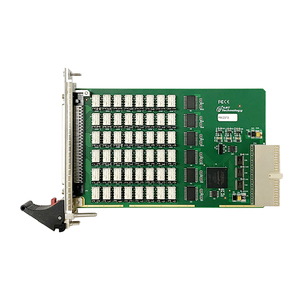
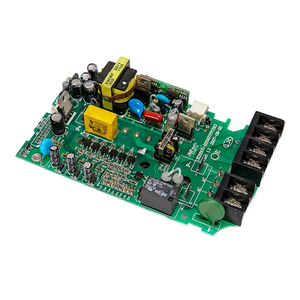
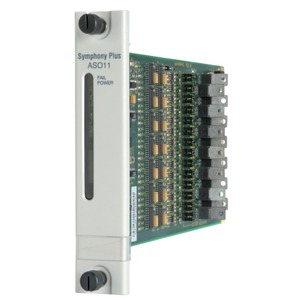
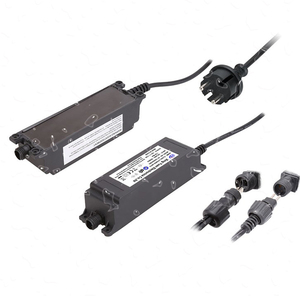
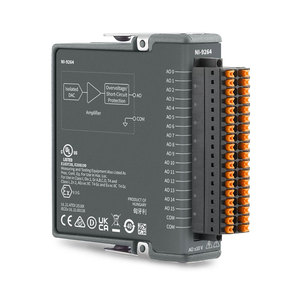
An authoritative technical perspective on mitigating ground loop currents, common-mode voltage spikes, and tropical atmospheric degradation in southeast Asian process plants.
In modern Indonesian industrial facilities—spanning nickel hydrometallurgy smelters in Sulawesi to massive palm oil crude refineries in Sumatra—electrical grounding networks frequently span several kilometers. When field sensors (such as RTDs, thermocouples, pressure transmitters, and electromagnetic flowmeters) are separated from the main Programmable Logic Controller (PLC) or Distributed Control System (DCS) by substantial physical distances, potential differences inevitably develop between remote ground points.
This ground potential variance causes unwanted current flow through loop instrumentation wiring—a phenomenon known as a Ground Loop. Ground loops introduce severe measurement errors, cause signal drift on standard 4-20mA current loops, and in extreme scenarios, generate high common-mode voltage surges that destroy sensitive PLC analog input cards.
As a leading global exporter of signal isolation and signal conditioning hardware to Indonesia, our product architectures leverage state-of-the-art isolation technologies designed specifically for high-reliability applications:
| Isolation Feature | Standard 2-Way Isolator | 3-Way Galvanic Isolator | Fieldbus Isolated Gateway |
|---|---|---|---|
| Isolation Topology | Input-to-Output Isolation | Input / Output / Power 3-Way Isolation | Full Channel-to-Channel & Bus Isolation |
| Dielectric Strength | 1,500 V AC (1 min) | 2,500 V AC to 3,000 V DC | 3,000 V RMS Galvanic Barrier |
| Common-Mode Rejection (CMRR) | > 90 dB @ 50/60 Hz | > 120 dB @ 50/60 Hz | > 130 dB High Noise Immunity |
| Tropical Environmental Protection | Standard PCB Coating | Conformal Coated (IPC-CC-830) | Fully Encapsulated / IP67 Options |
| Typical Indonesian Application | Water Treatment & Utilities | Geothermal & Chemical Processing | Nickel Smelting & Offshore Rig Automation |
Indonesia's rapid industrial expansion demands tailored signal conditioning solutions engineered to withstand extreme ambient heat, high relative humidity (up to 98%), and aggressive atmospheric pollutants.
Indonesia leads the world in nickel production. High-Pressure Acid Leach (HPAL) plants and rotary kiln electric furnaces (RKEF) generate extreme electromagnetic fields and massive harmonic distortion. Our 3-way galvanic signal isolators isolate temperature sensors (Type K/R thermocouples and Pt100 RTDs) from heavy electric arc noise, preventing control signal disruption during smelting cycles.
Palm oil extraction and refining processes present high humidity and corrosive environments containing organic vapors. Signal isolators deployed in CPO sterilization and fractionation towers process 4-20mA flow and pressure loops. Conformal-coated DIN-rail modules protect sensitive PLC analog cards from moisture ingress and acidic corrosion.
Indonesia holds approximately 40% of the world's geothermal reserves. Steam turbine control systems and geothermal wellhead monitoring require signal conditioners resistant to hydrogen sulfide (H2S) gas. Our hermetically sealed and robustly isolated converters maintain telemetry integrity between steam field sensors and central SCADA networks.
Offshore drilling platforms and marine supply vessels operating off East Kalimantan require robust CANbus gateways, RS-485 repeaters, and power isolators. Validated for high vibration (MIL-STD-202G), high salt spray, and extreme operating temperatures (-40°C to +85°C), ensuring uninterrupted maritime safety and extraction logging.
How the national initiative "Making Indonesia 4.0" and green energy transformations are accelerating demand for smart, isolated signal conversion infrastructure.
The Indonesian Ministry of Industry has prioritized five key sectors—Food & Beverage, Textiles, Automotive, Chemicals, and Electronics—for comprehensive digital transformation under the Making Indonesia 4.0 roadmap. Upgrade initiatives involve retrofitting legacy analog machinery with modern Industrial Internet of Things (IIoT) sensors and edge gateways.
This massive digitization drive creates a critical requirement for multi-channel signal isolators and fieldbus converters. Legacy 0-10V or 4-20mA field signals must be galvanically isolated, noise-filtered, and digitized into Ethernet/IP, PROFINET, or Modbus TCP protocols without interrupting ongoing operations.
Standard off-the-shelf automation components imported from temperate regions frequently suffer premature field failure in Indonesia due to standard relative humidity exceeding 90% in industrial corridors like Cikarang, Karawang, and Surabaya. Atmospheric moisture combined with industrial dust triggers dendrite growth and short circuits on unprotected printed circuit boards (PCBs).
As a specialized exporter, our signal isolator modules supplied to Indonesian distributors undergo polyurethane or silicone conformal coating (meeting IPC-CC-830 standards). This guarantees long-term dielectric performance and protection against tropical oxidation.
Indonesia's strategic mandate to process raw minerals locally rather than export raw ore has led to huge investments in downstream battery chemical plants and electric vehicle (EV) manufacturing facilities. These high-tech refineries rely heavily on precision closed-loop control systems where signal isolators serve as vital protection layers between high-voltage battery test rigs and main plant automation systems.
Backing your Indonesian engineering projects with over three decades of ISO 9001 certified design and manufacturing history.
Our state-of-the-art primary manufacturing facility in Canada operates under strict ISO 9001:2015 quality management systems. Every single signal isolator unit undergoes 100% automated optical inspection (AOI), high-voltage burn-in testing, and functional calibration prior to international shipment.
With dedicated R&D engineering teams stationed in Canada and Finland, we maintain full design control over our hardware topology, embedded firmware, and ASIC integration. We support custom OEM modifications, customized signal input ranges, and modified bus protocols for large Indonesian industrial projects.
Our electronic control units, signal conditioners, and valve drivers are verified for high mechanical shock (up to 50g), continuous multi-axis vibration, extended temperature performance (-40°C to +85°C), and stringent heavy industrial Electromagnetic Compatibility (EMC) standards.
We work closely with Indonesian engineering procurement contractors (EPCs), local system integrators, and industrial automation importers in Jakarta, Surabaya, Medan, and Balikpapan, offering streamlined export documentation, Certificate of Origin (COO), and technical assistance.
Addressing common technical, regulatory, and logistics queries from Indonesian system integrators and procurement managers.
Signal isolators create an electrical break (galvanic isolation gap) using optocouplers or transformers. This barrier blocks high-voltage transients, lightning-induced surges, and ground potential differences from reaching the PLC's sensitive input/output cards, ensuring only the clean measurement signal passes through.
For standard manufacturing facilities, a 1500V AC isolation rating is sufficient. However, for high-power mining operations, nickel smelting facilities, and high-voltage power generation sites, we recommend signal isolators rated for 2500V AC to 3000V DC continuous galvanic isolation.
Yes. Products exported to Indonesia feature conformal coating (protective silicone/acrylic resin) on all internal printed circuit assemblies. This prevents moisture accumulation, mold growth, and chemical corrosion in ambient humidities reaching 98% non-condensing.
Absolutely. Our smart analog signal conditioners support bi-directional HART communication pass-through, allowing process engineers in Jakarta or Surabaya to remotely program and diagnose smart field instruments without disconnecting signal isolation modules.
We provide full export documentation including Commercial Invoices, Packing Lists, Certificates of Origin (Form E/Form B where applicable), Manufacturer Certificate of Conformity, RoHS compliance statements, and detailed HS Code listings for smooth Customs clearance at Tanjung Priok or Tanjung Perak ports.
Standard catalog signal isolators and I/O modules are typically dispatched within 1 to 2 weeks from our ISO 9001 factory. Air freight delivery to major Indonesian international airports (CGK Jakarta, SUB Surabaya) generally takes 3 to 5 business days.