- ISO 9001:2015 Certified Manufacturing — Canada
- Engineering Support Since 1991
Engineered for extreme environmental resilience, remote grid stability, and rugged industrial automation applications across New Zealand's North and South Islands.
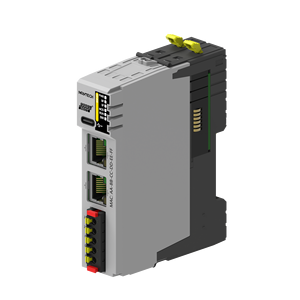
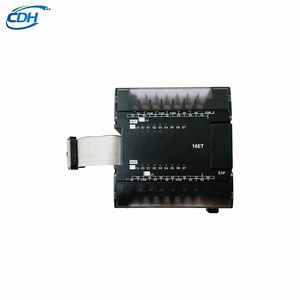
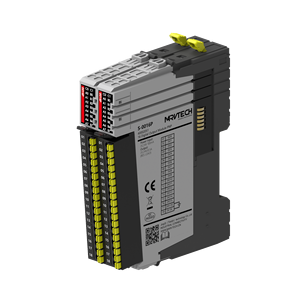
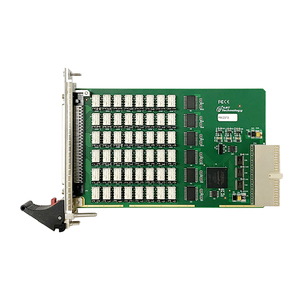
Addressing Single-Wire Earth Return (SWER) Line Instabilities, Coastal Corrosion, and Heavy Industrial Motor Loads
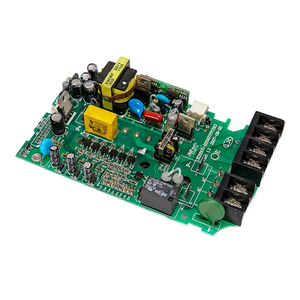
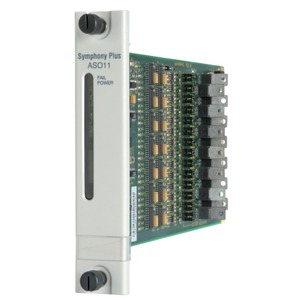
As a premier voltage regulator factory and global exporter catering to the New Zealand market, our engineering design focuses on overcoming the specific physical and electrical realities of Australasian operations. Traditional servo-motor tap changers often suffer from mechanical wear caused by rapid load fluctuations on rural lines. In contrast, our solid-state Automatic Voltage Regulators (AVR) and high-speed CANbus/SAE J1939 DC-DC power modules utilize digital signal processor (DSP) sampling to correct voltage deviations within milliseconds without mechanical degradation.
Furthermore, New Zealand's geography subjects electrical hardware to aggressive atmospheric elements: high airborne salt concentration across coastal ports in Auckland, Tauranga, and Lyttelton, alongside corrosive hydrogen sulfide ($H_2S$) gases present near geothermal energy plants in Rotorua and Taupo. Our manufacturing protocol includes automated conformal coating on high-density PCBs and IP67/NEMA 4X sealed enclosures to ensure continuous, maintenance-free operation across a 20-year operational lifecycle.
Custom-engineered power conditioning solutions deployed across key regional industries
Dairy farming infrastructure relies heavily on large inductive motors for vacuum pumps, milk chilling units, and automated rotary platforms. When these systems initiate simultaneously, local grid lines experience transient voltage drops exceeding 15%. Our automatic voltage regulation units buffer these loads, maintaining constant 400V 3-phase power, preventing line trips, protecting variable speed drives (VSDs), and reducing peak demand charges under local lines tariffs.
Geothermal power plants operate in atmospheres rich in moisture and acidic sulfur compounds. Standard copper traces and electronic solder joints degrade rapidly in these environments. Our voltage regulators are built with full galvanic isolation, chemical-resistant silicone encapsulation, and gold-plated terminal blocks, ensuring reliable DC power conditioning for valve actuators, turbine monitoring sensors, and safety interlocks.
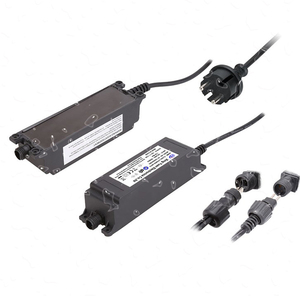
Shore-to-ship power equipment, commercial fishing fleet charging docks, and offshore aquaculture barges encounter severe salt spray, extreme vibration, and line harmonic distortion. Our rugged OEM Class 2 waterproof power supplies and solid-state voltage switchers deliver stable sub-system power to heavy winches, navigation radar, and water filtration controllers without risk of ingress or thermal failure.
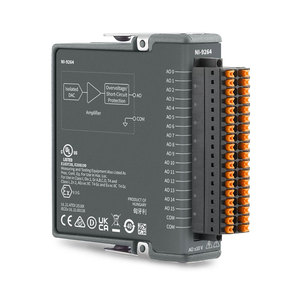
High-altitude telecommunications stations and remote farming stations in the South Island rely heavily on off-grid renewable microgrids. Voltage fluctuations during fast weather changes can damage delicate radio gear. Our hybrid MPPT UPS regulators and high-precision analog output modules maintain steady 12V/24V/48V power buses, featuring automated temperature compensation for sub-zero Alpine winters.
Heavy hydraulic machinery, log loaders, and mineral processing crushers transmit extreme mechanical shock and vibration back to the vehicle chassis. Our SAE J1939 electronic control units and programmable voltage regulators feature potted electronics validated under 9.6g RMS random vibration testing, operating reliably from -40°C to +85°C.
Aligning with AS/NZS Standards, Decarbonisation Goals, and Grid Modernization
All industrial equipment imported into or installed within New Zealand must comply with the AS/NZS 3000:2018 (Wiring Rules) and international EMC standards (EN 61000-6-2 / EN 61000-6-4). Our voltage regulators undergo thorough electromagnetic compatibility testing, preventing high-frequency noise injection into sensitive communications lines or local distribution grids.
Driven by New Zealand's commitment to net-zero carbon emissions, industries are shifting from fossil fuels to electric process heating and fleet electrification. This mass adoption exerts pressure on existing distribution lines. Our smart voltage regulation systems incorporate dynamic VAR compensation and automated tap adjustment to mitigate grid voltage drop during peak industrial shifts.
Severe weather events across the North and South Islands have heightened the demand for resilient power infrastructure. Modern factories require localized line stabilization, power conditioning, and instantaneous brownout ride-through capabilities to prevent million-dollar production shutdowns in automated food, beverage, and timber mills.
Technical evaluation guide for New Zealand plant engineers, electrical contractors, and OEM builders
| Topology / Regulator Type | Response Speed | Voltage Input Range | Efficiency | Ideal NZ Application | Maintenance Profile |
|---|---|---|---|---|---|
| Solid-State Electronic AVR | < 10 ms | ± 25% (172V - 287V) | > 98% | Process automation, IPC fieldbus, dairy shed VSD protection | Maintenance-Free (Zero Moving Parts) |
| Hybrid MPPT / UPS Regulator | < 4 ms (Instantaneous) | Wide Range (12V - 1000V DC/AC) | 96% - 98.5% | Remote telecommunications, off-grid solar microgrids, hydro backup | Annual battery & firmware check |
| Servo-Motorized Tap Changer | 0.5s - 2.0s | ± 15% / ± 20% | 95% - 97% | Large commercial building mains, central sub-station feed | Periodic carbon brush inspection |
| CANbus Controlled DC-DC Converter | < 1 ms | 9V - 36V Wide Input DC | > 94% | Off-highway forestry, heavy mining rigs, marine power buses | Hermetically sealed / Zero maintenance |
Combining world-class engineering, proven reliability, and dedicated regional support
Every single product module is designed and manufactured under an ISO 9001:2015 certified quality management system. Automated optical inspection (AOI), full burn-in thermal chamber testing, and high-voltage breakdown insulation tests are standard for 100% of production runs.
When off-the-shelf regulators do not fit unique machinery space constraints or voltage profiles, our internal R&D engineering teams (located in Canada and Finland) execute full turn-key customization. From discrete I/O configuration to C++/C# control scripts and CANopen/J1939 network mapping, we deliver rapid OEM prototyping.
With an active presence in Australia and streamlined freight pipelines into major New Zealand ports (Auckland, Lyttelton, Wellington, Tauranga), we ensure fast lead times, smooth customs clearance under ANZCERTA/MFAT guidelines, and accessible technical support across the NZST timezone.
Direct technical and commercial answers for project managers, electrical buyers, and system integrators
Our solid-state automatic voltage regulators (AVRs) feature an ultra-wide input voltage window (up to ±30% nominal). When SWER lines drop significantly during peak irrigation or dairy pumping hours, the solid-state boost topology steps up the output voltage in less than 10 milliseconds, preventing machinery dropouts, motor thermal overload, or VSD fault codes without producing mechanical tap wear.
Yes. All exported units are built to satisfy relevant AS/NZS standards, including AS/NZS 3000 electrical installation rules and AS/NZS 61000 EMC limits for residential, commercial, and heavy industrial zones. Technical documentation, circuit schematics, and test compliance certificates are provided with each order for local electrical inspector sign-off.
Units specified for hazardous or corrosive locations receive military-grade conformal coating (IPC-CC-830 certified) on all circuit assemblies. Enclosures are available in heavy-gauge anodized aluminum or 316 stainless steel with IP67/IP68 liquid ingress sealing, protecting sensitive voltage regulation components against hydrogen sulfide ($H_2S$) gas near geothermal vents and salt spray in coastal dockyards.
Absolutely. Our smart voltage controllers and signal output modules support standard CANbus protocols (SAE J1939, CANopen) as well as PROFINET, Ethernet/IP, and Modbus RTU/TCP. This enables local programmable logic controllers (PLCs) or SCADA systems to monitor real-time line voltage, load current, module temperature, and diagnostic error codes remotely.
We provide expedited air freight (3 to 5 business days delivery to Auckland, Wellington, or Christchurch International Airports) for urgent replacement modules or OEM prototyping. Bulk factory shipments are dispatched via ocean freight directly to Port of Auckland, Tauranga, or Lyttelton, handled by established logistics partners with full customs clearance management.
Yes. We offer factory pre-configuration services. Customers can provide specific voltage setpoints, dither frequencies, ramp rates, or J1939 CAN message maps. Modules arrive on site plug-and-play ready, eliminating field programming time for local installation engineers.
Consult with our engineering directors today to analyze your line conditions, request detailed product datasheets, or obtain a competitive factory-direct wholesale quote.
Contact Us